
Leucostele werdermanniana
Leucostele werdermanniana
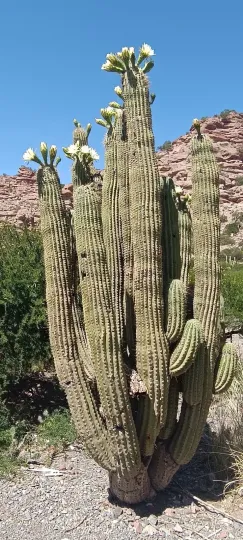
Description
Growing requirements
Leucostele werdermanniana is a striking columnar cactus belonging to the Cactaceae family. Native to the arid, rocky regions of Chile, this species is highly specialized for life in environments with low rainfall and intense solar radiation.
The cultivation of this plant requires a highly porous, mineral-based substrate. A mixture consisting of coarse sand, crushed gravel, and minimal organic content provides the ideal drainage necessary to prevent root rot, which is the most common cause of failure in cultivation.
Optimal growth is achieved only under full sun exposure. This cactus requires high light intensity to maintain its characteristic structure; insufficient light causes etiolation, leading to weak and deformed growth that compromises the plant's health and aesthetic appeal.
The irrigation strategy must strictly mimic the plant's natural climate. During the growing season, water should be applied only after the soil has completely dried out. Conversely, the winter dormancy period requires complete dryness and cool temperatures to trigger future flowering.
Providing adequate ventilation is essential, especially in enclosed environments. Constant air circulation helps regulate the plant's surface temperature and reduces the risk of fungal infections associated with stagnant humidity around the cactus body.
Main diseases and pests
Root rot is the primary threat to Leucostele werdermanniana, usually caused by moisture accumulation in the root zone. Proper soil aeration and the use of inorganic components are the best defenses against these moisture-loving pathogens.
Pests like mealybugs and spider mites frequently target the plant's epidermis, particularly in sheltered indoor conditions. Regular monitoring of the crevices between ribs is necessary to detect infestations early and apply appropriate control measures.
Bacterial infections can lead to tissue necrosis. If soft spots appear on the stem, the plant must be kept dry and treated immediately, as systemic infections can progress rapidly and eventually destroy the entire columnar structure of the cactus.
Environmental stress, such as sudden shifts in light or temperature, can manifest as scarring or skin disfigurement. Gradual adaptation to stronger sunlight after winter is necessary to prevent severe sunburns that permanently damage the epidermis.
Hard water usage contributes to soil alkalinity and salt buildup, which severely impacts nutrient absorption. Using filtered or rainwater ensures that the substrate chemistry remains balanced, promoting vigorous growth and healthy development over many years.