
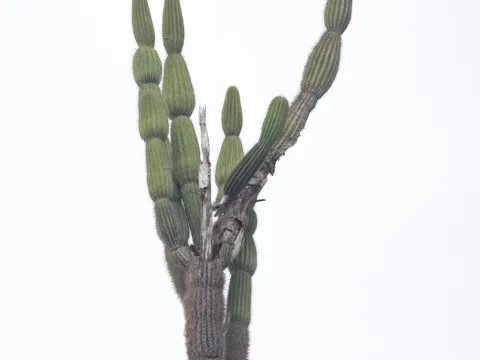
Jasminocereus
Jasminocereus
Jasminocereus is a genus of tree-like cacti within the family Cactaceae. This fascinating plant is endemic to the Galapagos Islands, thriving in the volcanic soil and harsh climate of its native habitat.
What the section contains

Jasminocereus
To cultivate this species successfully, growers must provide extremely well-draining, mineral-rich soil. Standard potting mixes are often too rich; therefore, adding volcanic rock or pumice is essential for structural support and drainage.
High intensity of light is a non-negotiable requirement for Jasminocereus. In a greenhouse setting, it needs full sun exposure to maintain its robust architecture and prevent the weakening of the stem tissues.
Watering protocols must mimic the erratic rainfall patterns of the Galapagos. Providing moisture sparingly and allowing the soil to dry out completely between waterings is the safest approach to prevent damage.
While Jasminocereus is not grown as a commercial agricultural crop, it remains a valuable specimen for botanical gardens and specialized collectors interested in preserving the unique island flora.
Fungal infections are the primary threat to the health of these cacti. Excessive moisture in the root zone quickly triggers rot, which can prove fatal if not identified and treated early.
Common succulent pests, including mealybugs and spider mites, are frequent invaders. These insects suck the sap from the plant, causing stunted growth and leaving scars on the cactus surface.
Bacteria can easily enter the succulent tissue through even minor mechanical abrasions. Maintaining a sterile environment is crucial when pruning or handling the plants to prevent systemic spread of diseases.
Inadequate air circulation exacerbates the risks of both pest infestations and fungal growth. Ensuring a light breeze or using mechanical fans in greenhouses is a proven strategy for disease prevention.
Competition from invasive plant species poses a long-term threat to wild populations of Jasminocereus. Efforts to protect the original habitat are focused on controlling these invasive weeds and restoring native ecosystem balance.