
Leucostele atacamensis
Leucostele atacamensis
Description
Growing requirements
Leucostele atacamensis, formerly categorized under the genus Trichocereus, is a prominent member of the Cactaceae family. This species is native to the high-altitude Andean regions of Chile, Argentina, and Bolivia, where it thrives in extreme desert climates.
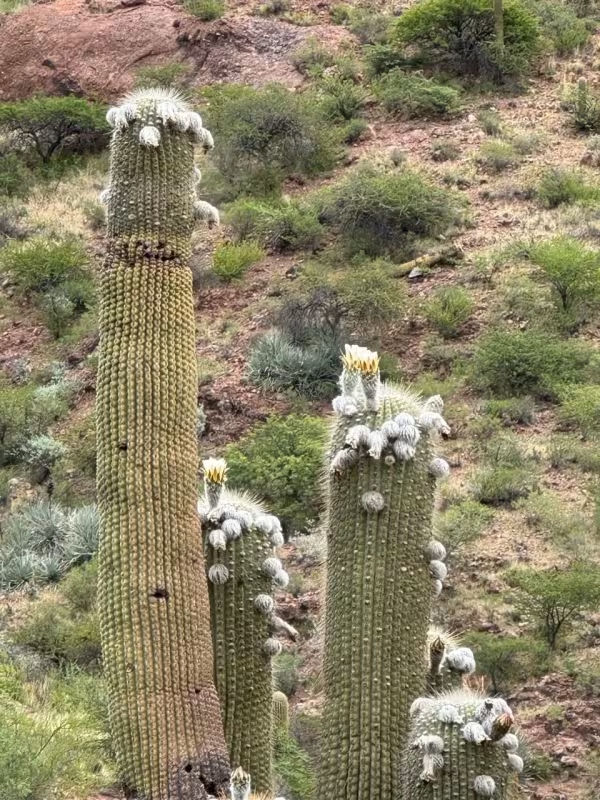
Botanically, it is a columnar cactus that can grow to impressive heights, often resembling a tree. Its structural evolution is a direct result of adapting to the harsh, high-UV light environments of the Andes, where it survives at elevations reaching over 4,000 meters.
Cultivation demands precise environmental control, specifically regarding soil composition. A highly porous, mineral-based substrate is essential to mimic the rocky, nutrient-poor soils of its natural habitat, ensuring rapid drainage to prevent root asphyxiation.
This species requires full, direct sun exposure to maintain its dense spine production and healthy green pigmentation. Shade-grown specimens exhibit etiolation, a physiological condition characterized by weak, elongated stems that lack the necessary structural integrity.
While not a traditional food or fiber crop, Leucostele atacamensis is highly valued in horticulture for its aesthetic form and resilience. It serves as a study case for xerophytic survival strategies and is a staple in specialist succulent collections globally.
Main diseases and pests
The primary threats to this cactus are pathogens associated with moisture excess. Fungal infections, particularly root rot, are the leading cause of mortality in cultivation. Maintaining a strict irrigation cycle with long periods of complete dryness is vital.
Pest management is focused on controlling mealybugs and spider mites. These organisms can colonize the base or the growing apex of the cactus, causing significant cosmetic and physiological damage if not managed with appropriate systemic acaricides or insecticides.