
Leucostele nigripilis
Leucostele nigripilis
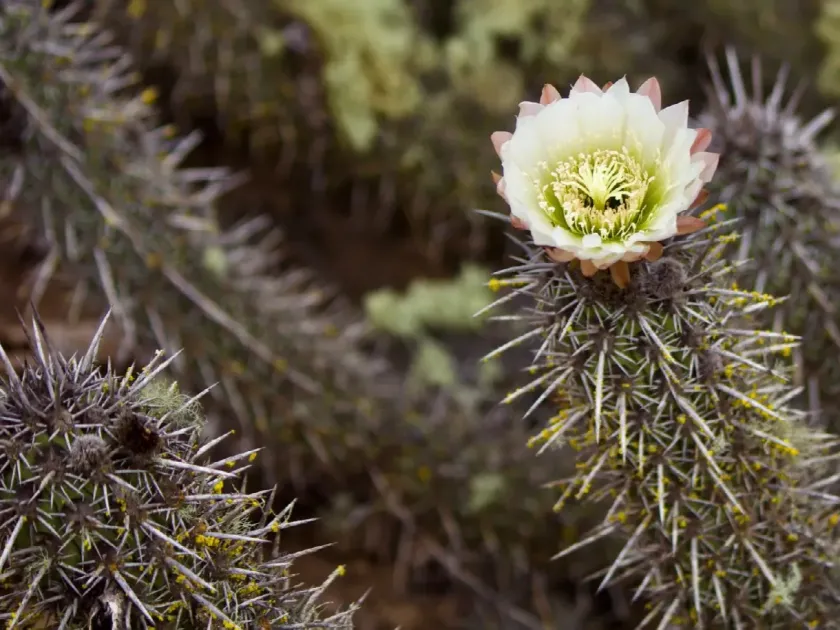
Description
Sowing dates
Propagation of Leucostele nigripilis is most commonly performed via seeds, as this method ensures the development of healthy specimens with typical species characteristics. The optimal time for sowing is during the spring season.
Seeds are sown in a well-drained, sterile substrate composed of sand and peat. It is essential to maintain stable humidity and a temperature range of 22–25 degrees Celsius until germination occurs.
After germination, seedlings must be gradually acclimated to drier air, avoiding direct exposure to intense sunlight. Pricking out is performed once the seedlings are sufficiently strong and have reached approximately one centimeter in size.
A secondary method is vegetative propagation via cuttings, although it is less frequent due to the growth habits of this specific species. The cutting surface must be dried for several days to prevent rot.
Rooting cuttings should be done in dry sand, avoiding frequent watering until the primary root system has developed. This process requires patience and adherence to temperature stability.
Growing requirements
Leucostele nigripilis belongs to the Cactaceae family and originates from the arid mountain regions of Chile. The plant is accustomed to intense sunlight and significant temperature fluctuations between day and night.
Successful cultivation requires a highly permeable soil mix containing a high proportion of mineral components such as gravel, perlite, and coarse sand. Water stagnation in the root zone is fatal for this species.
During the summer, the plant requires regular but moderate watering, provided only after the soil ball has completely dried out. Excessive moisture combined with low temperatures often leads to rapid root decay.
The winter dormancy period is a mandatory condition for the plant's long-term health. During this time, temperatures should be lowered to 8–12 degrees Celsius, and watering should be almost entirely suspended.
This species thrives in fresh air, making it suitable for outdoor placement on balconies or terraces during the warm season, provided there is protection from direct rainfall.
Main diseases and pests
The primary threat to Leucostele nigripilis is root and stem rot, which occurs due to improper watering regimes and poor drainage systems. Such conditions quickly compromise the health of the plant.
Pests like mealybugs can settle in the grooves between the cactus ribs, feeding on the plant's sap. Systematic insecticides are effective for controlling these infestations.
Spider mites can damage the epidermis of the plant in dry, stagnant air conditions. Regular ventilation and inspection help detect and resolve these issues at an early stage.
Scale insects can also pose a risk, leaving marks on the stem that should be removed mechanically, followed by appropriate protective treatments.
Disease prevention is based on strict cultivation hygiene, the use of high-quality substrates, and maintaining the optimal balance between moisture and light levels.