
Kroenleinia
Kroenleinia
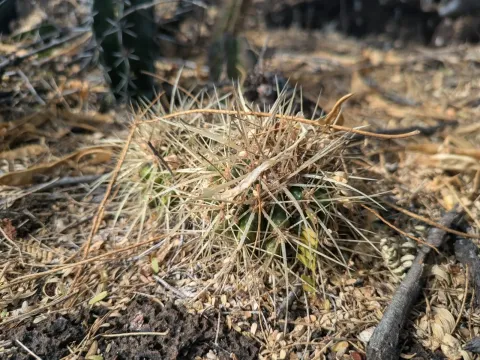
Kroenleinia is a genus of succulent plants belonging to the family Cactaceae. Originally classified under the broader genus Echinocactus, these plants are now recognized for their distinct morphology and genetic characteristics. They are native to arid regions of Mexico, where they thrive in rocky, calcified soils.
What the section contains

Kroenleinia
The botanical structure of Kroenleinia is defined by a globose, ribbed stem armored with robust, sharp spines. These spines play a crucial role in protecting the plant from herbivores and reducing moisture loss through transpiration. The plant exhibits slow growth, making it a desirable specimen for cactus enthusiasts worldwide.
Environmental requirements for this genus are strict: they demand high levels of solar irradiance and excellent drainage. The soil composition should be primarily inorganic, consisting of gravel, pumice, and limited organic peat. Poor drainage often leads to immediate root decay, which is the primary cause of plant loss in cultivation.
Cultivation care involves a rhythmic approach to irrigation. Water should only be provided during the active growing season, ensuring the substrate dries out completely between watering sessions. During the winter dormancy period, the plants should be kept dry and cool, generally between 10°C and 15°C, to simulate their natural environment.
Economically, Kroenleinia is primarily utilized in the ornamental horticultural sector. Its aesthetic appeal makes it a staple for specialty nurseries and private collections. Propagation is predominantly achieved via seeds, as vegetative offsets are rare or non-existent in many species within this genus, emphasizing the value of seed-grown plants.
The most frequent pests attacking Kroenleinia are mealybugs, which often hide within the deep ribs of the cactus. Spider mites can also become an issue in environments with consistently low humidity levels.
Fungal pathogens represent a major threat, particularly when soil moisture remains high for extended periods. Preventive measures include ensuring proper airflow, using porous substrate mixtures, and applying specialized fungicides when the first signs of stress appear.