
Leucostele chiloensis
Leucostele chiloensis
Description
Growing requirements
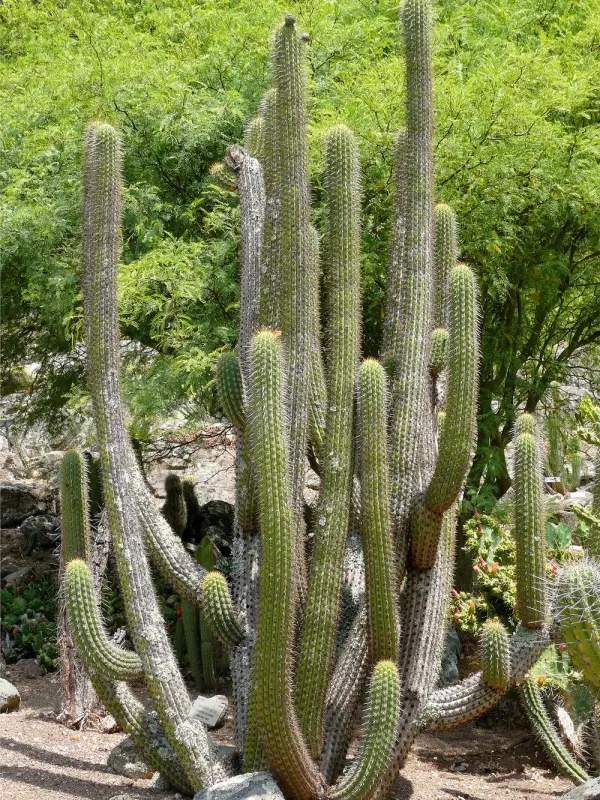
Leucostele chiloensis, historically known within the Echinopsis genus, is a prominent member of the Cactaceae family native to the coastal and interior regions of central Chile. This species is celebrated for its impressive column-like structure that defines the local landscape.
Botanically, this cactus develops into a tree-like form, reaching significant heights as it matures. The stem is ribbed with well-defined areoles that produce robust spines, a structural adaptation designed to minimize water loss and provide protection against herbivores in its arid habitat.
Successful cultivation of Leucostele chiloensis requires high solar irradiance and a substrate that mimics its natural stony or sandy environment. The soil must be highly porous to ensure efficient drainage, as the species is extremely sensitive to moisture accumulation around the roots.
Environmental conditions should mimic the Mediterranean-like climate of its origin: warm, dry summers and cooler winters. During the winter dormancy period, the plant must be kept dry to prevent internal tissue damage and potential rot, which is the primary cause of failure in containerized specimens.
In terms of хозяйче usage, this cactus is primarily valued for its ornamental appeal in dry-land landscaping. It serves as a focal point in xeriscapes, providing a distinct architectural silhouette that is highly sought after for both public botanical collections and private succulent gardens.
Main diseases and pests
The main pathological threat to this culture is fungal decay caused by poor soil aeration or excessive watering. Maintaining a strict dry schedule during the dormant season is the most effective cultural practice for preventing disease outbreaks in this succulent species.
Pest management focuses on controlling sap-sucking insects like mealybugs and spider mites, which can disfigure the cactus skin and weaken the plant. Integrated pest management, including the use of targeted systemic insecticides, is recommended for long-term health and maintenance of the aesthetic structure.