
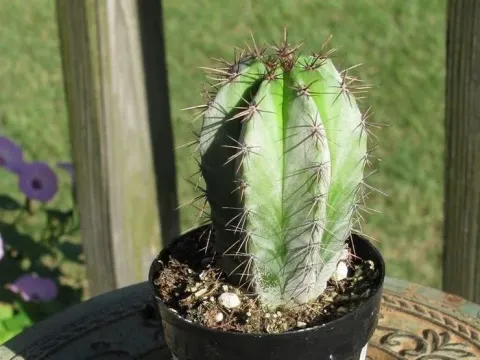
Lemaireocereus
Lemaireocereus
Lemaireocereus is a genus of large, arborescent cacti belonging to the family Cactaceae. In their native habitats, these plants develop massive, column-like stems that can reach impressive heights, characteristic of arid desert landscapes.
What the section contains

Lemaireocereus
Originating from the arid regions of Mexico and parts of Central America, this crop is evolutionarily adapted to high temperatures and prolonged periods of drought. Their thick stems serve as efficient water storage organs.
For successful cultivation, plants require a sandy or rocky substrate with excellent drainage. A substrate that holds water for too long is highly detrimental, often leading to rapid root decay and plant collapse.
These cacti demand intense solar radiation throughout the year. Inadequate lighting conditions will inevitably cause the plant to etiolate, losing its structural integrity and structural color.
Agrotechnical management includes a strict winter dormancy period. During this time, irrigation must be halted or significantly reduced, and temperatures should be kept cool but well above freezing to ensure healthy growth cycles.
Fungal pathogens represent the most significant threat to the culture, typically manifesting as stem rot or root rot. These issues are almost exclusively linked to poor drainage or excessive humidity in the environment.
Common pests include mealybugs and spider mites, which feed on the sap of the succulent tissue. These infestations can weaken the cactus significantly, leaving it prone to secondary infections from bacteria or fungi.
Preventive measures include regular inspection of the epidermis and the application of suitable acaricides or insecticides. Proper air circulation in greenhouse environments is essential to inhibit the development of pest populations.
Avoid excessive nitrogen fertilizers, as they promote rapid, succulent growth that is overly soft and attractive to pests. Balanced mineral nutrition focusing on potassium and phosphorus is preferred for cactus health.
If rot is detected, surgical removal of affected tissue followed by chemical disinfection is necessary to save the specimen. Early detection remains the most critical factor in managing the health of Lemaireocereus.