
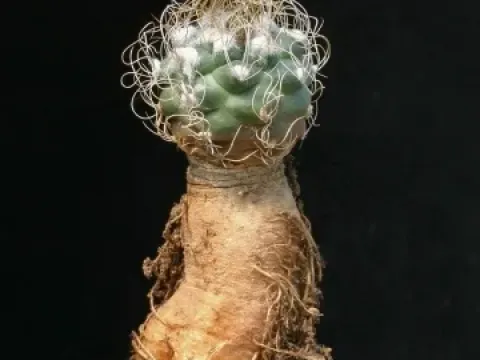
Kadenicarpus
Kadenicarpus
Propagation of Kadenicarpus is primarily achieved through seeds, as these plants exhibit a slow growth rate and rarely produce offsets. Sowing is best performed in the spring, coinciding with the increase in daylight hours, which serves as a natural growth stimulus for the seedlings.
What the section contains


Kadenicarpus
Seeds should be sown in a highly mineral-based substrate that lacks organic components to prevent damping-off. Maintaining a consistent temperature between 22 and 25 degrees Celsius is crucial during the germination process, alongside maintaining high air humidity levels.
Pricking out the seedlings into individual containers should be delayed for at least a year until they develop sufficient robustness. Great care must be taken during transplantation to minimize disturbance to the delicate root system, which is highly susceptible to mechanical shock.
Grafting young seedlings onto faster-growing rootstocks, such as Echinopsis species, is a common technique used to accelerate growth and reach flowering maturity more rapidly. This method requires specialized knowledge to perform successfully without harming the scion.
Providing artificial supplemental lighting during the autumn and winter months is essential for cultivated specimens. A daily light cycle of at least 12 hours ensures that the cactus maintains its structural integrity and metabolic health throughout the dormant season.
Kadenicarpus belongs to the Cactaceae family and is native to the arid regions of Mexico. These plants are uniquely adapted to extreme environmental conditions, specifically growing on rocky slopes and thin, well-draining soils found in high-altitude desert landscapes.
The culture demands an exceptionally porous growing medium; a mix composed of gravel, pumice, and coarse sand is ideal. The presence of organic matter should be kept to an absolute minimum to prevent the risk of root rot, which is the primary cause of plant death in cultivation.
Temperature requirements are significant, with a preference for warm days (25–30 degrees Celsius) and much cooler nights. This temperature fluctuation is vital for the plant's physiological processes and helps to mimic the natural climate of its native habitat.
Watering must be strictly regulated and only applied after the substrate has completely dried out. During the winter period, water should be withheld entirely to induce a state of dormancy, which is necessary for the plant to properly prepare for the next flowering cycle.
High levels of bright, indirect sunlight are essential to maintain the compact, characteristic shape of the plant. Proper ventilation around the pots is also a key factor, as stagnant air increases the likelihood of fungal development and other health issues.
Fungal rot, particularly those caused by Fusarium and Phytophthora, represents the most significant threat to Kadenicarpus. These pathogens thrive in environments where drainage is insufficient or where the soil remains damp for extended periods at lower temperatures.
Spider mites are a common pest in indoor collections, especially in dry air conditions. They feed on the epidermis, creating unsightly dry patches that reduce the plant's ability to photosynthesize effectively and serve as entry points for bacterial infections.
Root mealybugs pose a persistent hidden danger, as they infest the roots and slowly drain the plant's vitality. Regular inspection of the root system during repotting is necessary, and any infestation requires a complete replacement of the soil and specific systemic treatment.
Etiolation is a structural problem caused by insufficient light, resulting in a weak, elongated stem. Once a plant has become etiolated, it loses its natural resistance and becomes significantly more prone to rot and opportunistic diseases in the long term.
Over-fertilization, especially with nitrogen-rich products, causes succulent tissue to grow too rapidly and become soft. This makes the epidermis prone to cracking and makes the plant an easy target for sucking insects, necessitating the use of specialized low-nitrogen mineral fertilizers.