
Lophophora
Lophophora
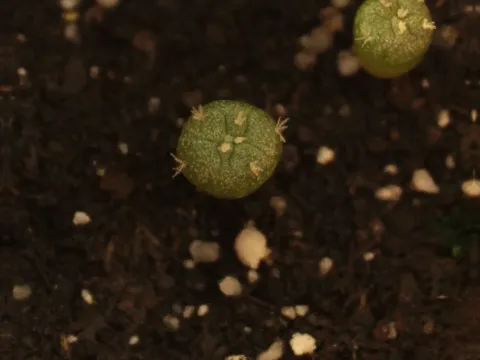
Seeds of Lophophora should be sown in the spring when temperatures are consistently above 22-25°C. It is essential to use shallow containers with high-quality drainage systems to prevent the substrate from becoming waterlogged.
What the section contains


Lophophora
The ideal growing medium is a loose, mineral-based mix of sand, perlite, and a small amount of turf soil. Seeds should be pressed lightly into the surface and covered with glass or plastic to maintain high humidity during the germination phase.
Once seedlings emerge, it is critical to introduce ventilation gradually to acclimate the young plants to standard air conditions. Overly humid environments at this stage will inevitably lead to damp-off and seedling mortality.
Pricking out the young plants into individual pots should be delayed until they are at least one year old to ensure the roots are sufficiently developed. Handling young Lophophora requires patience and delicate technique.
The growth rate of this genus is exceptionally slow, meaning that from sowing to a mature plant, the process can take many years of diligent care. Success depends on maintaining consistent environmental parameters during all growth stages.
Lophophora belongs to the Cactaceae family and is native to the arid environments of Mexico and the southern United States. These plants are succulent by nature and adapted to survive periods of intense drought.
They require maximum sunlight to thrive, though light shading is recommended during peak summer afternoons to prevent sunburn. Adequate light is crucial for the plant to maintain its natural, compact shape.
Soil requirements focus on a neutral to slightly alkaline pH and excellent drainage. Organic fertilizers are generally discouraged, as they can cause excessive or soft growth, making the plant more vulnerable to rot and pests.
Watering must be done with caution; the substrate should dry out completely between sessions. During the winter dormancy period, the plants require a cool, dry environment with temperatures ideally around 10-12°C.
Good air circulation is vital to simulate the desert climate and prevent fungal growth. These plants are sensitive to sudden environmental changes, so stable conditions are the key to long-term health.
Root rot is the most significant threat to Lophophora, typically caused by improper watering practices or heavy, non-porous soil. Once the rot reaches the core of the plant, it is often impossible to salvage.
Mealybugs are common pests that hide in the crevices between the tubercles, where they can feed unnoticed. Regular monitoring and the application of systemic insecticides are effective ways to control these infestations.
Spider mites can occur in dry, stagnant air, causing discoloration and scarring on the surface of the stem. Maintaining proper humidity and air movement is the best preventative measure against these microscopic pests.
Quarantining any new plants before adding them to your collection is essential to avoid introducing pathogens. Cleanliness of the growing area and tools significantly reduces the risk of accidental infection.
If decay is detected, immediate action is required, such as excising the damaged areas and allowing the wound to callous. Success in fighting disease depends on early detection and strict adherence to moisture control.