
Lepismium
Lepismium
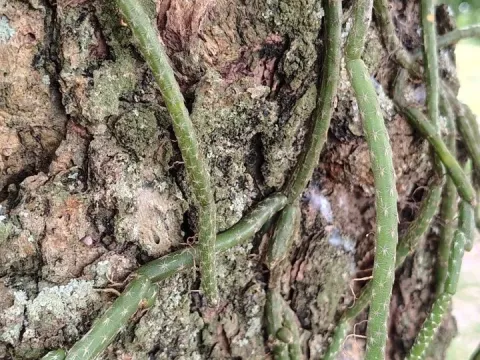
Lepismium is a genus of epiphytic cacti belonging to the Cactaceae family, natively distributed across the tropical and subtropical regions of Central and South America. These plants are uniquely adapted to growing in forest canopies, which dictates their specific requirements for filtered light and stable environmental humidity.
What the section contains


Lepismium
For optimal growth, the substrate must be highly aerated and mimic the nutrient-rich, organic-heavy soil found in tree crotches. A mix consisting of orchid bark, peat moss, and perlite is generally recommended to prevent soil compaction and ensure that the root system has adequate access to oxygen while retaining essential moisture.
Climate requirements for this species are centered on maintaining a temperate environment, ideally ranging between 18 and 26 degrees Celsius, with protection from extreme heat or cold drafts. High humidity is a critical factor for the health of these cacti, as they absorb moisture not only through their roots but also from the ambient tropical air.
Agronomic practices for Lepismium cultivation prioritize diffused lighting, as the natural forest habitat provides significant shading from the upper canopy. Excessive direct sunlight can cause chlorophyll degradation in the stems, leading to severe burning and reducing the aesthetic and photosynthetic efficiency of the plant.
The primary horticultural application of Lepismium is ornamental, where its cascading habit makes it a premier choice for hanging baskets and indoor landscaping. Its value is derived from its rapid growth rate and the ability to adapt to container life, making it a staple for collectors of exotic epiphytic succulents.
Common pests affecting Lepismium include mealybugs and spider mites, which thrive in low-humidity indoor environments. Effective management strategies include maintaining appropriate air moisture levels and implementing biological control methods or selective application of horticultural oils to manage infestation levels.
Pathological issues such as root rot and stem necrosis are frequently linked to poor drainage or overwatering cycles. It is essential to ensure that the growing container has ample drainage holes and that the plant is never left sitting in stagnant water to maintain the structural integrity of its succulent stems.