
Leucostele skottsbergii
Leucostele skottsbergii
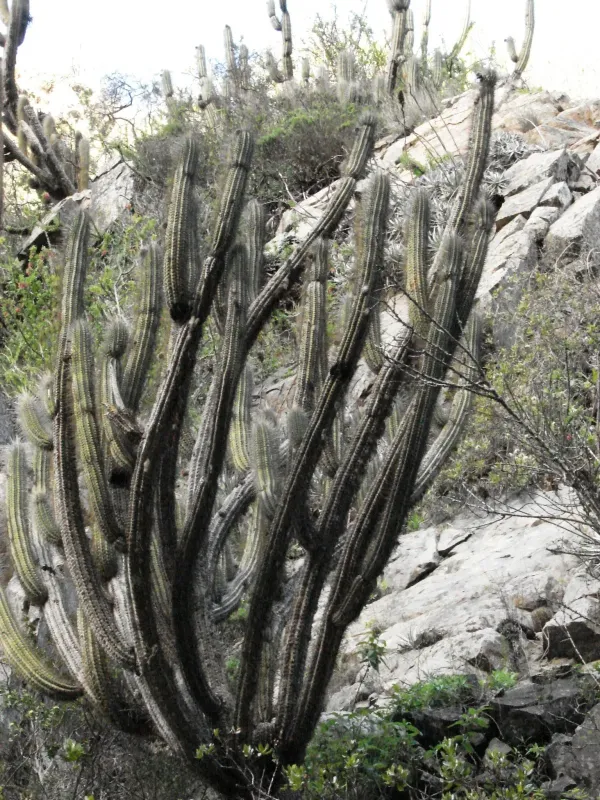
Description
Growing requirements
Leucostele skottsbergii is a distinguished member of the Cactaceae family, native to the coastal arid environments of Chile. As a succulent, it has evolved complex physiological traits to survive in habitats characterized by extreme aridity and high solar radiation.
The plant exhibits a columnar growth habit, often developing woody stems with prominent ribs. These features serve as an efficient reservoir for water storage, while its sharp, dense spines provide essential protection against herbivores and reduce solar stress by casting small shadows on the epidermis.
Cultivation requires strict adherence to soil composition protocols. A highly porous, mineral-based substrate is mandatory to ensure rapid drainage, preventing the catastrophic accumulation of moisture around the root crown, which is the primary cause of mortality in this species.
High light intensity is fundamental for the health of Leucostele skottsbergii. Without sufficient exposure to full sun, the plant will experience etiolation, leading to structural weakness and a loss of its characteristic aesthetic form. Adequate temperature fluctuations between day and night also stimulate natural growth cycles.
In a horticultural context, this species is highly regarded for its architectural beauty in xeriscaping and botanical collections. It is valued by enthusiasts for its unique appearance and its ability to withstand the harsh conditions of its native Chilean habitat with minimal intervention.
Main diseases and pests
The primary pathological threats to this cactus involve fungal infections originating from excessive soil moisture. Root rot is the most common issue, often resulting from a lack of proper drainage or over-irrigation during the cooler months when the plant enters dormancy.
Pest infestations, particularly mealybugs and spider mites, pose significant challenges to plant vitality. These pests exploit the dense spine coverage, which complicates manual inspection and the application of pest control agents, necessitating the use of systemic insecticides.
Maintaining air circulation is a critical management practice. Stagnant humidity creates an ideal environment for pests and pathogens to proliferate, particularly around the apex of the cactus, where new growth is most susceptible to mechanical damage and infection.
Nutritional stress can also weaken the plant. Over-fertilization with high-nitrogen compounds leads to "soft" growth, which lacks the structural integrity of natural growth, making the plant significantly more vulnerable to pathogens and environmental stress factors.
Finally, improper acclimatization to intense light after a dormant period can lead to severe epidermal burning. Gradual exposure is necessary to protect the plant's surface tissues, which require time to adjust their protective waxes and pigmentation to changing environmental conditions.