
Leucostele tunariensis
Leucostele tunariensis
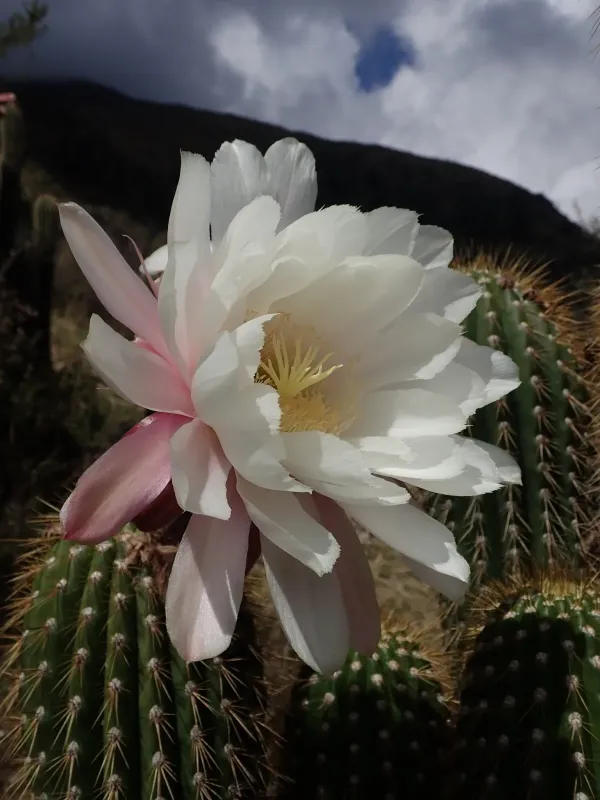
Description
Growing requirements
Leucostele tunariensis is a perennial succulent plant belonging to the Cactaceae family. Native to the high-altitude regions of Bolivia, this species is highly adapted to the unique, harsh environmental conditions found in the Andes mountain range.
Successful cultivation of this species requires full sun exposure. In artificial environments, such as greenhouses or indoor collections, providing maximum light intensity is crucial to maintain the structural integrity and natural form of the cactus stem.
The substrate must be highly mineral-based and free-draining to prevent root rot. A mix consisting primarily of coarse sand, perlite, and small amounts of pumice or volcanic rock is recommended to ensure optimal aeration of the root system.
Watering requirements follow a seasonal cycle: generous watering during the growth phase is permitted only when the substrate has completely dried out. During the winter, the plant requires a dormant period with significantly reduced moisture levels.
The plant thrives in environments that provide a distinct diurnal temperature range, which reflects its natural high-altitude habitat. Maintaining good ventilation is as important as temperature control to prevent the plant from overheating during the summer.
Main diseases and pests
The primary threat to Leucostele tunariensis is root rot caused by stagnant moisture. Once pathogens enter the vascular system, the condition becomes difficult to reverse, making proper drainage the most important aspect of cactus care.
Mealybugs are the most common pests, often settling in the deep crevices between the ribs of the plant. Their presence requires mechanical removal or the application of systematic insecticides to prevent them from damaging the epidermis.
Spider mites represent a significant risk in low-humidity environments with insufficient air circulation. These pests suck the cell sap from the plant's surface, leading to permanent scarring and stunted growth if not addressed promptly.
Bacterial infections can occur if the plant sustains physical injury that is not properly treated. Any lesions on the cactus body should be kept dry and treated with antiseptic powders like sulfur or charcoal to promote healing.
To keep the plant resilient, it is essential to avoid over-fertilization, especially with nitrogen-rich compounds, which can cause the stem to become soft and more susceptible to pathogen attacks during the humid months.