
Isolatocereus
Isolatocereus
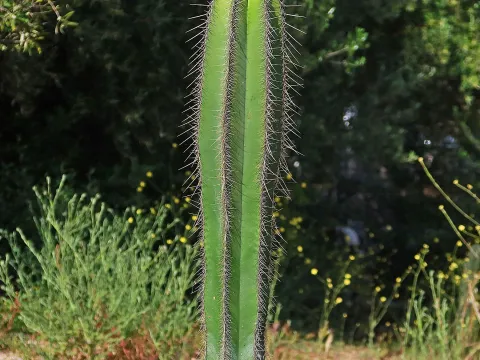
Isolatocereus is a monotypic genus of succulent plants belonging to the Cactaceae family. The genus consists solely of the species Isolatocereus dumortieri, which is native to the central and southern regions of Mexico.
What the section contains

Isolatocereus
This columnar cactus is characterized by its significant height, often reaching up to 6 meters in its natural habitat. Its structure is composed of sturdy, ribbed stems that allow the plant to thrive in arid environments with high solar radiation.
When cultivating Isolatocereus, it is crucial to use a highly porous, gritty substrate that ensures rapid drainage. The plant demands a high-light environment, preferably full sun, to maintain its structural integrity and prevent etiolation.
Climatic requirements involve mimicking its natural semi-desert conditions. A distinct dry, cool dormancy period in winter is necessary to promote health and potential flowering, whereas summer growth requires warm temperatures and periodic watering.
Fertilization should be handled with caution, as these plants are adapted to nutrient-poor soils. Using specialized cactus fertilizers during the growing season in low concentrations is sufficient to sustain healthy growth without causing succulent tissue damage.
The primary threats to Isolatocereus are root rot and bacterial infections caused by overwatering or poorly aerated substrate. Once a rot infection reaches the central vascular bundle, the plant is often difficult to save.
Pests such as mealybugs and spider mites are frequent adversaries in a controlled indoor environment. These insects can hide in the deep crevices between the ribs of the cactus, making manual inspection and localized treatment essential for effective pest control.