
Leucostele terscheckii
Leucostele terscheckii
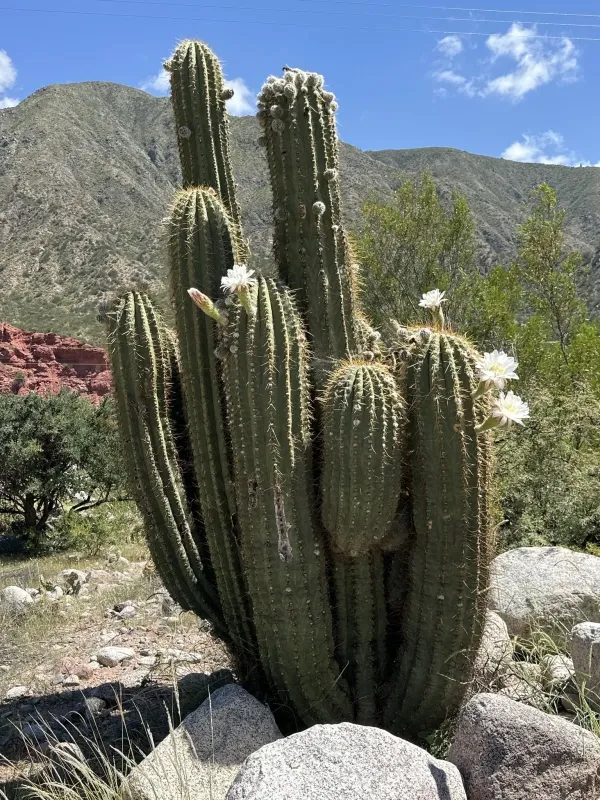
Description
Sowing dates
Propagation of Leucostele terscheckii is primarily achieved through seed sowing. This process should be initiated during the spring when temperatures are consistently warm, between 25 and 28 degrees Celsius.
A sterile, sandy substrate with minimal organic content is required for successful germination. Keeping the seeds in a high-humidity environment initially is crucial for steady seedling development.
Seeds should be sown superficially and covered with a thin layer of fine sand. Proper light exposure is vital, though intense direct sunlight should be avoided during the fragile germination phase.
Transplanting seedlings into individual pots is recommended once they have developed sufficient resilience, typically after one year of growth. Careful handling is necessary to protect the developing root system.
Vegetative propagation via cuttings is possible but requires meticulous preparation. The cut surface must be allowed to callus over for several days or weeks before planting into a dry mineral mix.
Growing requirements
Leucostele terscheckii is a magnificent columnar cactus belonging to the Cactaceae family. Native to the arid highlands of Argentina, it is a hardy species adapted to harsh desert conditions.
This species demands full, direct sunlight to maintain its structural integrity and distinct appearance. In cultivation, it thrives best in environments that mimic its natural open-space habitat.
The potting medium must be highly porous and inorganic. A mixture of gravel, pumice, and coarse sand provides the necessary aeration and drainage to prevent the roots from suffocating.
Watering requires a seasonal approach: generous irrigation during the active summer growing season, followed by a completely dry dormancy period during the winter months.
The cactus is tolerant of extreme heat, which is essential for its metabolism. Good air circulation is equally important to maintain the health of the epidermis and prevent fungal stagnation.
Main diseases and pests
Root rot is the most significant threat to Leucostele terscheckii, usually resulting from overwatering or inadequate soil drainage. Prevention is far more effective than treatment for this condition.
Common pests include mealybugs and spider mites, which can hide in the crevices of the spines or at the base of the plant. Regular monitoring is essential for early pest management.
Fungal pathogens can attack the plant if air humidity remains high for extended periods, especially in the absence of light. Keeping the plant in a well-ventilated area reduces these risks.
Physical injuries to the skin of the cactus must be treated promptly to prevent pathogens from entering the tissue. Dusting wounds with charcoal powder can help dry them out.
Maintaining a strict agricultural sanitation protocol is essential. Using clean tools and ensuring the growing area is free of debris helps prevent the spread of common cactus diseases.