
Cochemiea capensis
Cochemiea capensis
Description
Growing requirements
Cochemiea capensis is a distinct species belonging to the Cactaceae family. This succulent is native to the Baja California peninsula in Mexico, where it grows in harsh, arid, and rocky environments, demonstrating remarkable survival strategies.
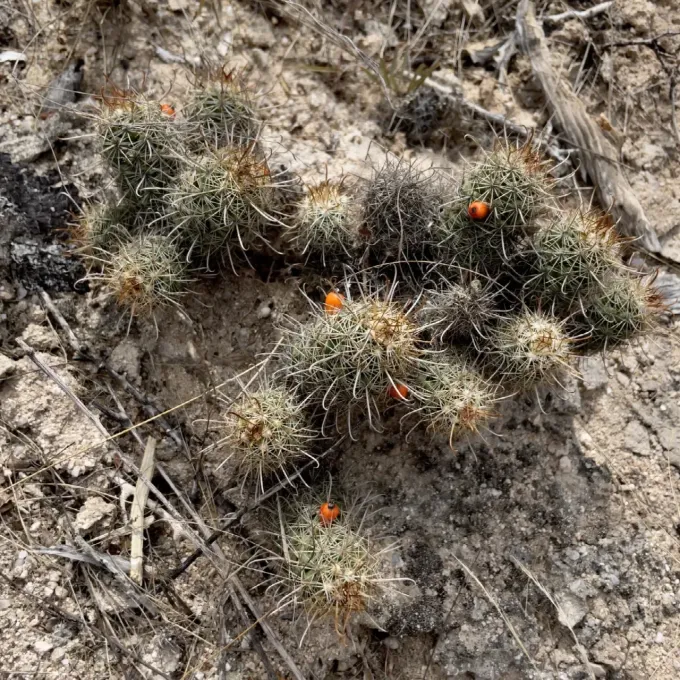
Botanically, the plant features elongated cylindrical stems arranged in clusters, densely covered with tubercles and spines. Its growth pattern is slow, making it a valuable subject for specialized collections and botanical gardens.
Successful cultivation requires a highly permeable mineral substrate. A mixture of pumice, coarse sand, and a small amount of grit ensures proper aeration and prevents the waterlogging that is fatal to this species in cultivation.
The climate requirements include an abundance of direct solar radiation. Without sufficient light intensity, the plant's structural integrity weakens, and it becomes highly susceptible to physiological disorders and poor development.
Environmental control is essential, particularly regarding the winter dormancy phase. Maintaining cool temperatures between 10°C and 12°C, combined with complete dryness, is a prerequisite for blooming in the subsequent spring season.
Main diseases and pests
The most critical threat is represented by fungal pathogens that thrive in overly wet or poorly ventilated growing conditions. Overwatering leads directly to crown and root rot, which are often irreversible once established.
Mealybugs are the primary pest concern for this species, often clustering in the recessed areas between tubercles. Regular inspections are necessary to identify early infestations before they spread across the entire collection.
Spider mites can also cause significant damage in excessively hot and dry conditions. Their presence is usually signaled by fine webbing and discoloration of the epidermis, which can permanently scar the plant's surface.
Improper soil pH can interfere with nutrient uptake, leading to chlorosis and stunted growth. It is recommended to use specialized fertilizers formulated specifically for cacti to ensure a balanced supply of macro and micronutrients.
Environmental stress caused by rapid temperature fluctuations or poor air circulation can predispose the plant to infections. Providing a stable, well-ventilated atmosphere remains the best preventive strategy against most common pests and diseases.