
Cochemiea hutchisoniana
Cochemiea hutchisoniana
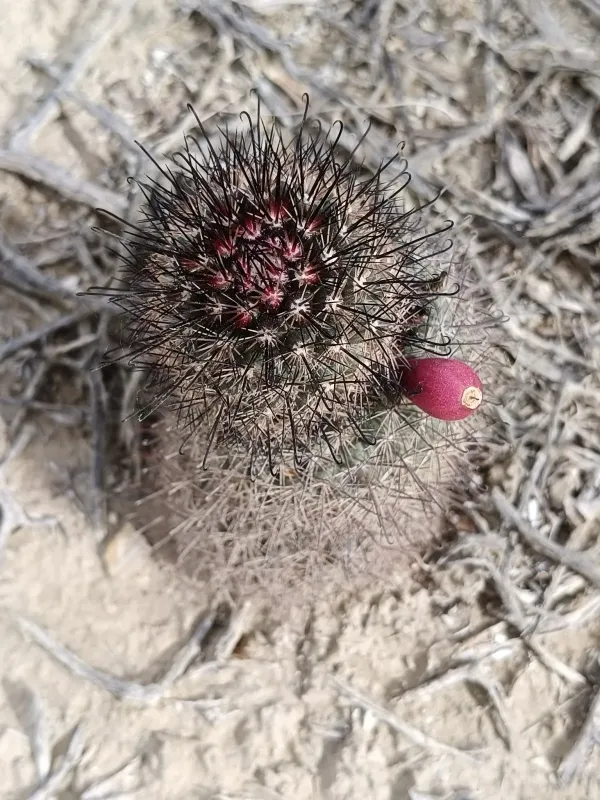
Description
Sowing dates
Cochemiea hutchisoniana is a fascinating member of the Cactaceae family, primarily propagated through seeds under controlled greenhouse conditions.
Seeds should be sown in early spring, utilizing a light and well-draining mineral-based substrate to ensure optimal germination rates.
Maintaining a stable temperature of around 25 degrees Celsius is essential, coupled with high humidity until the first spines develop on seedlings.
Gradual acclimatization to lower humidity is required as the plants mature to ensure the epidermis hardens and develops resistance to environmental stress.
Proper sterilization of the sowing medium is highly recommended to prevent damping-off, a common issue during the initial growth phase of cacti.
Growing requirements
Native to the arid regions of Baja California, this species requires a location with maximum sunlight exposure to maintain its compact growth form.
The potting medium must be highly porous, consisting of pumice, lava rock, and a small percentage of organic material to facilitate rapid drainage.
During the growing season, watering should be deep but infrequent, allowing the substrate to dry out completely before the next irrigation cycle.
Winter dormancy is vital for the biological cycle; plants must be kept cool and dry to mimic their natural resting period in the desert habitat.
Good ventilation is absolutely necessary to prevent the buildup of heat and moisture, which can lead to fungal infections and etiolation.
Main diseases and pests
Mealybugs are the most common pests for Cochemiea, often hiding in the dense spine clusters where they are difficult to reach with topical sprays.
Root rot caused by stagnant water or soil that stays wet for too long is the primary cause of mortality for this delicate succulent species.
Red spider mites can infest the plant during hot and dry spells, causing unsightly scarring and weakening the overall health of the specimen.
- Regular inspections of root health and substrate quality.
- Application of systemic pesticides for root-dwelling pests.
- Use of preventive fungicides in humid environments.
Excessive humidity in the absence of airflow is a significant threat, encouraging the growth of various molds and mildews on the skin of the plant.