
Graham's pincushion
Cochemiea grahamii
Description
Growing requirements
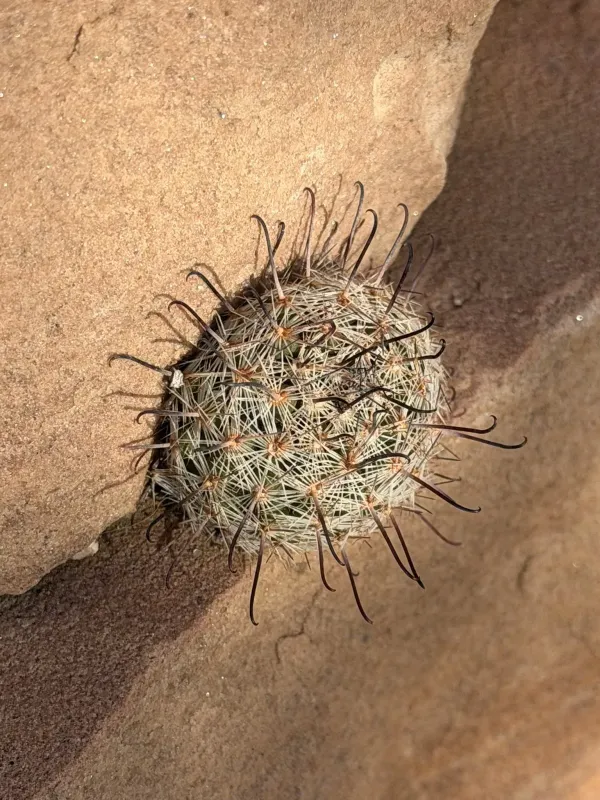
Cochemiea grahamii, commonly known as Graham's pincushion, is a unique species within the Cactaceae family. Originally native to the deserts of Arizona, California, and Northern Mexico, this plant has adapted to harsh environmental conditions with intense solar radiation and minimal rainfall.
The morphological structure consists of a cylindrical, tuberous body covered with radial and central spines. Its flowers, typically magenta or reddish, emerge from the upper parts of the stem, highlighting the plant's ornamental value in agricultural research and private cultivation.
Agronomic success with this species requires a highly porous growing medium. A blend of coarse grit, pumice, and low-organic soil is essential to ensure rapid drainage, preventing the water stagnation that can quickly lead to physiological stress in the root system.
Proper light management is critical for the development of Cochemiea grahamii. In a controlled environment, such as a greenhouse, the plant needs significant light intensity to maintain its characteristic compact shape and healthy spine density, which are markers of physiological vigor.
Seasonal maintenance requires a distinct dry rest period during the winter months. Reducing irrigation during lower temperature cycles mimics the natural desert climate, which is essential to prevent etiolation and trigger the hormonal response required for high-quality spring flowering.
Main diseases and pests
The primary biotic threats to this species include mealybugs and root aphids, which can infiltrate the small spaces between the plant's tubercles. These pests weaken the cactus by feeding on sap and often lead to secondary viral or fungal infections in the damaged areas.
Root rot and stem necrosis are the most common pathological issues in commercial cultivation. These diseases are almost exclusively triggered by incorrect irrigation practices or low-quality substrates that do not allow for adequate gaseous exchange in the root zone.
Spider mites represent a significant risk, especially in low-humidity environments. Their feeding activity results in unsightly scarring on the epidermis and can cause irreparable damage to the aesthetic quality and growth potential of the cactus.
Integrated pest management strategies should focus on preventive measures. Maintaining adequate airflow in greenhouse settings and regular monitoring are more effective than reactive chemical control, which can sometimes be phytotoxic to sensitive succulent tissues.
Applying specialized fungicides as a preventative measure during the transition periods between seasons can help minimize the spread of pathogens. Any chemical application must be carefully calibrated to the plant's growth stage to ensure safety and long-term vitality.