
Cochemiea mainiae
Cochemiea mainiae
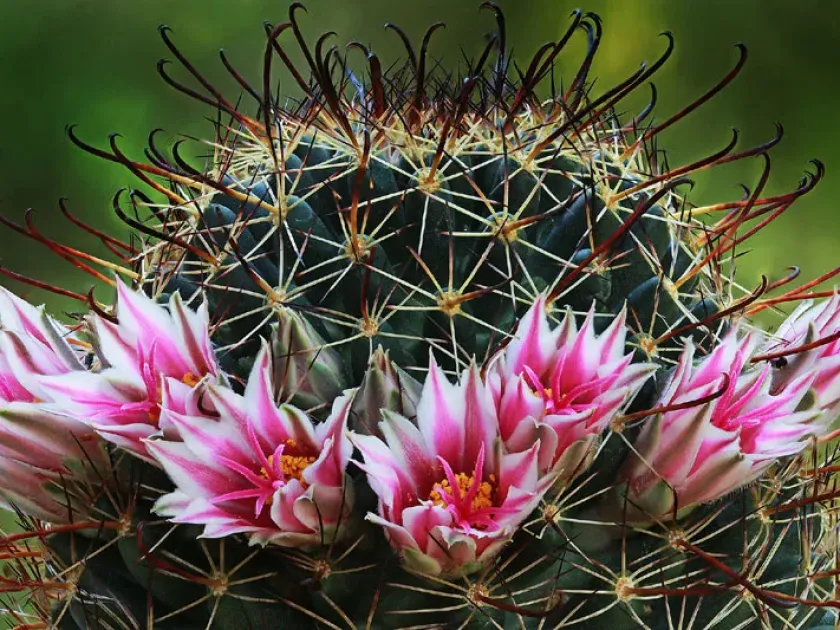
Description
Growing requirements
Cochemiea mainiae is a distinct species of cactus belonging to the Cactaceae family. This plant is native to the arid desert regions of northwestern Mexico, specifically documented in the state of Sonora, where it thrives in harsh environments.
Botanically, this species is characterized by its cylindrical or club-shaped stems that may branch from the base to form small clumps. The surface is covered in tubercles with areoles, which are typical structural features of this genus that provide defense against high heat.
The culture requires very high levels of solar radiation to maintain its structural integrity. It is best suited for locations with direct sunlight throughout most of the day, as shaded conditions lead to etiolation and the loss of the plant's natural form.
A highly porous and well-draining substrate is mandatory for this cactus. It is recommended to use a mixture containing a significant proportion of pumice, coarse sand, or expanded clay to ensure that the roots do not remain damp for extended periods.
Temperature management is critical, especially during the winter months. A clear dormant period at lower temperatures, typically ranging between 8 and 12 degrees Celsius, is essential for the plant to successfully enter its active growth and flowering phase in spring.
Main diseases and pests
The primary threat to Cochemiea mainiae is root and stem rot, which is almost exclusively caused by overwatering or poorly draining soil. Once rot sets in, the tissue turns soft and discolored, often making the plant irrecoverable if not detected early.
Red spider mites are the most common pests affecting this species in indoor collections. These mites thrive in dry, stagnant air and feed on the cactus epidermis, leaving unsightly scarred patches and white webbing that ruins the plant's aesthetic value.
Root mealybugs can infest the underground parts of the cactus, weakening it significantly. Because they are hidden from view, infestations are often discovered only when the plant begins to show signs of severe decline, such as wilting or sudden growth cessation.
Scale insects may also attach to the stem, drawing vital fluids from the plant. Manual removal is often effective if the infestation is caught early, followed by the application of appropriate horticultural oils or systemic insecticides to prevent recurrence.
Disease prevention relies on maintaining excellent air circulation and strictly adhering to seasonal watering schedules. Growers should inspect the base of the cactus regularly for any signs of discoloration or softening, which are early indicators of potential pathology.