
Cochemiea armillata
Cochemiea armillata
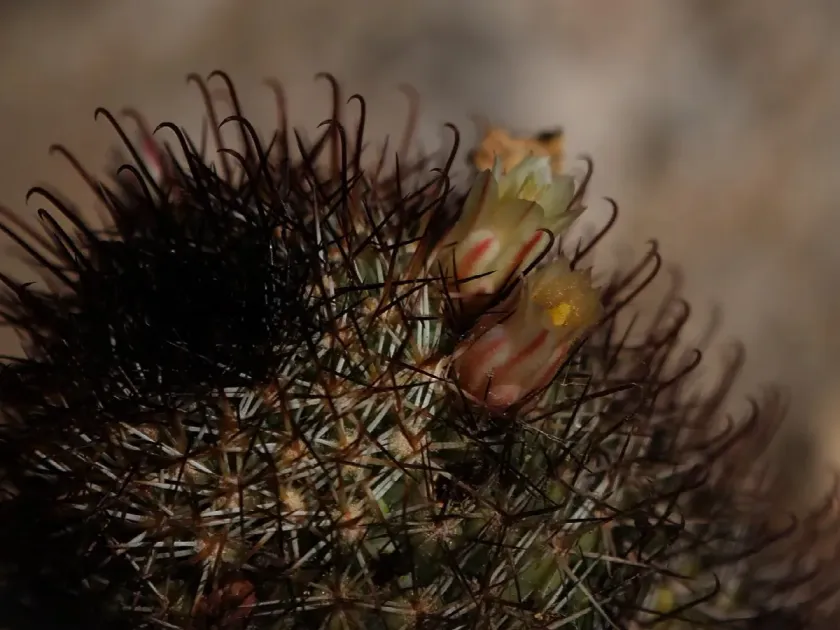
Description
Growing requirements
Cochemiea armillata is a distinct species within the Cactaceae family, native to the arid landscapes of the Baja California Peninsula in Mexico. As a specialized agricultural and ornamental crop, it has adapted to thrive in harsh, rocky environments with intense solar radiation.
Botanically, it is characterized by its cylindrical stems that grow in clusters, adorned with prominent spines that serve as a defense mechanism against local fauna. This succulent structure allows the plant to efficiently store water, ensuring survival during prolonged droughts in its native habitat.
In terms of cultivation, this cactus demands high levels of light, ideally full sun exposure. In indoor or greenhouse settings, providing direct sunlight is essential for maintaining the plant’s compact shape and promoting healthy tissue density throughout its growth cycle.
The substrate requirement for Cochemiea armillata is quite specific: it necessitates a highly porous, well-draining mineral mix. A combination of coarse sand, pumice, and minimal organic matter is highly recommended to prevent root asphyxiation caused by excessive soil moisture.
Climate control involves a warm growing season followed by a cool, dry dormant period during winter. Maintaining temperatures between 8-12 degrees Celsius during dormancy triggers the reproductive cycle and is crucial for achieving vibrant, consistent blooms during the flowering phase.
Main diseases and pests
The primary threat to the health of Cochemiea armillata is fungal infection, usually induced by poor drainage or overwatering. Root rot can manifest rapidly in high-humidity conditions, often leading to total loss of the specimen if not addressed early.
Common pests include the mealybug, which tends to aggregate in the crevices between the tubercles, and the spider mite, which thrives in dry, stagnant air. These pests can significantly weaken the cactus by feeding on its sap and creating wounds that attract further infections.
Management strategy focuses on regular monitoring and preventive sanitation. Keeping the growing area clean and ensuring consistent airflow helps disrupt the life cycle of most typical cactus pests and reduces the risk of moisture-related mold buildup.
For chemical control, if an infestation occurs, application of targeted systemic insecticides is recommended. Care should be taken to test any substance on a small portion of the plant first to avoid potential chemical burns on the sensitive epidermis of the cactus.
Maintaining a balanced nutritional regime is also a preventive measure; using low-nitrogen, high-potassium fertilizers ensures the cactus develops stronger, more resilient tissues that are less attractive to sap-sucking insects.