
Cochemiea cerralboa
Cochemiea cerralboa
Description
Growing requirements
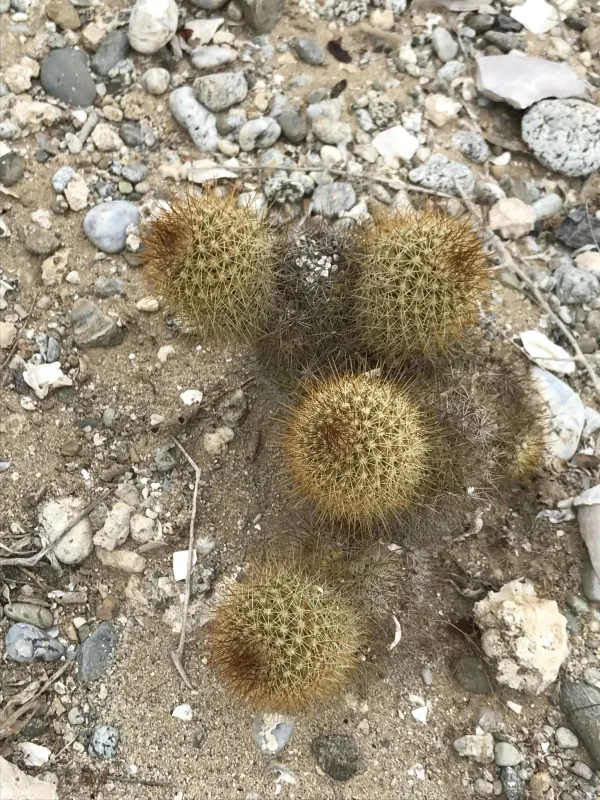
Cochemiea cerralboa is a distinctive member of the Cactaceae family, native to Cerralvo Island in Mexico. This species is characterized by its cylindrical growth habit and is naturally adapted to rocky, well-draining desert environments.
Successful cultivation requires high levels of solar radiation and excellent airflow. For indoor or greenhouse growing, it is essential to provide a specialized gritty soil mix that contains high proportions of volcanic rock or pumice to prevent moisture stagnation.
The climate requirements for this species include warm, dry conditions during the growing season. During the winter, the plant must undergo a dormant period with cooler temperatures, ideally ranging between 10 and 15 degrees Celsius, to support healthy development.
Watering must be strictly controlled, applying the soak-and-dry method. It is crucial to allow the substrate to dry out completely before providing additional water, as the species is highly susceptible to root rot if kept consistently damp.
The primary use of Cochemiea cerralboa is in ornamental collections. It is highly sought after by succulent enthusiasts who value its unique morphology, including its tubercles and distinct spines, which are typical for the genus Cochemiea.
Main diseases and pests
The most significant threat to the health of this cactus is fungal infection, which is almost always a result of overwatering or inadequate soil drainage. Fungal pathogens can cause rapid rotting of the root system and the base of the stem.
Common pests include mealybugs and spider mites, which often find shelter in the crevices between the cactus tubercles. These pests can cause severe damage to the epidermis if not addressed with timely applications of appropriate pesticides.
Incorrect cultural practices, such as sudden changes in light exposure, can cause severe sunburn on the plant's surface. Gradual acclimatization to brighter conditions is necessary to maintain the plant's aesthetic integrity.
Prevention strategies involve maintaining high hygiene standards during potting and avoiding the use of contaminated substrates. Regular inspections of the plant's root base help identify potential issues before they become terminal.
In cases of heavy infestation by pests, the use of systemic insecticides is recommended to protect the internal tissues of the cactus. Proper ventilation is the best defense against various pathogens in a greenhouse environment.