
Cochemiea boolii
Cochemiea boolii
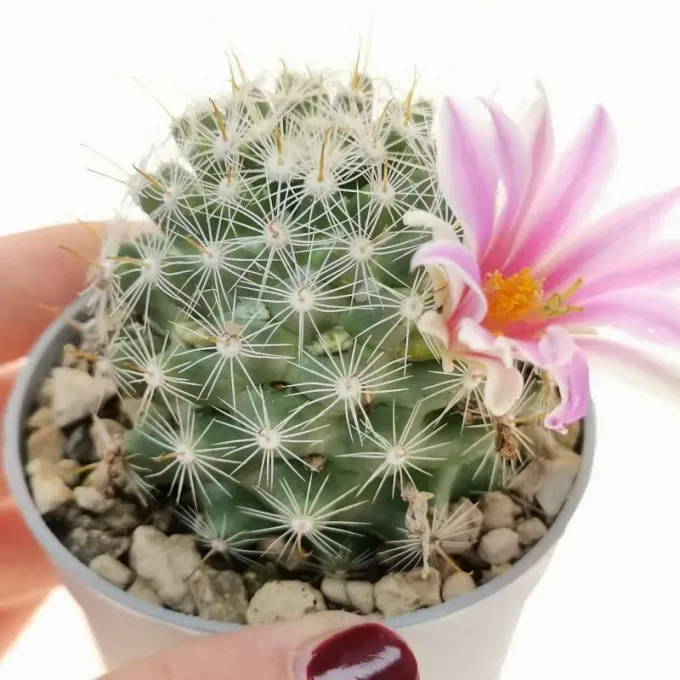
Description
Growing requirements
Cochemiea boolii is a fascinating species belonging to the Cactaceae family, natively found in the arid regions of Sonora, Mexico. It is highly sought after by succulent collectors due to its unique globular growth form and vibrant, bell-shaped flowers that bloom in shades of deep pink to purple.
This species requires high light intensity to thrive and maintain its natural shape. Placing it in a position where it receives full morning sun is ideal for promoting healthy growth and sturdy, well-developed spines, which act as a protection against harsh sunlight.
The soil requirements are strict: the cactus needs a fast-draining, mineral-rich substrate. A standard mix for this plant includes coarse sand, pumice, and a small amount of inorganic potting soil to ensure that water never accumulates around the root system for extended periods.
Watering should be approached with caution, following a cycle that mimics its natural environment. During the growing season, water thoroughly only when the substrate has completely dried out, and drastically reduce watering frequency during the winter dormancy period to prevent root rot.
Proper airflow is crucial for this plant to survive in domestic settings. Keeping the cactus in a well-ventilated area helps to regulate transpiration and reduces the risk of fungal infections that are often associated with stagnant or overly humid environments.
Main diseases and pests
The primary threat to Cochemiea boolii is the development of root and stem rot, which is almost always a result of overwatering or inadequate soil drainage. Once rot begins, it can spread rapidly, so early detection and correction of moisture levels are vital.
Mealybugs are common pests that frequently target this species, nesting in the deep crevices between the tubercles of the stem. Regular inspections of the plant are necessary, as these insects can quickly weaken the cactus by feeding on its nutrient-rich sap.
Spider mites are another concern, particularly in hot and dry climates where humidity levels drop significantly. These pests can cause discolouration of the epidermis, making the plant look dusty and tired, eventually hindering its growth cycle and blooming potential.
To keep the plant healthy, it is recommended to apply a systemic insecticide at the beginning of the growing season as a preventative measure against common pests. Always follow the manufacturer's instructions to ensure the concentration is safe for succulent tissues.
Maintaining a clean growing area and discarding any infected soil or debris around the plant is part of a good hygiene practice. By providing consistent care, you can prevent most threats and enjoy the natural beauty of this rare Mexican desert native for many years.