
Cochemiea blossfeldiana
Cochemiea blossfeldiana
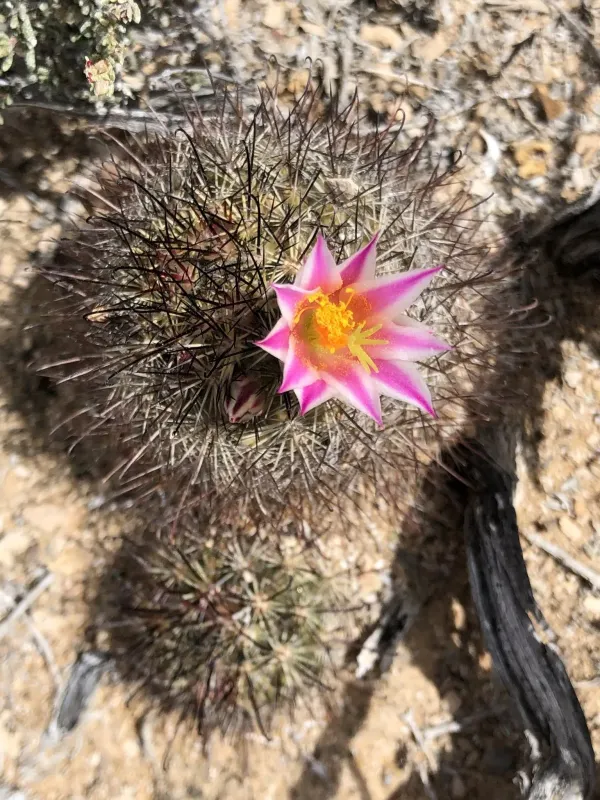
Description
Sowing dates
Propagating Cochemiea blossfeldiana is primarily achieved through seeds during the spring season. The ideal sowing window is March or April, when lengthening days provide the necessary light intensity for successful germination.
Seeds should be planted in shallow trays containing a well-draining, sandy-peat substrate. Maintaining a constant temperature between 22 and 25 degrees Celsius is essential for high germination rates.
Once seedlings emerge, it is crucial to gradually reduce humidity to harden the plants. High humidity combined with poor airflow can quickly lead to damping-off disease in young cactus seedlings.
Pricking out the seedlings should only occur when they have developed enough mass, typically after the first or second year. By this time, they become more resilient to environmental fluctuations.
Vegetative propagation via offsets is also possible for mature plants. When removing offsets, it is vital to let the wound dry and callus over for several days before placing it into the soil mixture to prevent rot.
Growing requirements
This species belongs to the Cactaceae family and is native to the rugged terrains of Baja California, Mexico. It is evolutionary adapted to thrive in mineral-rich, rocky soils with high exposure to sunlight.
For optimal growth, Cochemiea blossfeldiana requires intense direct sunlight. Insufficient light leads to etiolation, where the cactus stretches and loses its characteristic compact and globular form.
The potting mix must be predominantly mineral-based, consisting of coarse sand, pumice, and gravel. Organic content should be kept to an absolute minimum to ensure the roots remain healthy and aerated.
Watering should be deep but infrequent during the active growing season, allowing the soil to dry out completely between applications. During winter, the plant enters a dormant phase and requires almost zero water.
Temperature control is vital for the plant's seasonal cycle. It thrives in summer temperatures between 20 and 30 degrees Celsius, but requires a cool rest period in winter around 8–12 degrees Celsius to trigger flowering.
Main diseases and pests
Root and stem rot caused by overwatering are the most significant threats to this species. Utilizing a porous clay pot and high-quality mineral soil will mitigate most water-related risks.
Common pests include mealybugs and spider mites, which thrive in dry indoor environments. These pests can be effectively managed with systemic insecticides or gentle manual cleaning with an alcohol solution.
Poor ventilation is a hidden threat that encourages fungal growth. Keeping the growing area well-ventilated helps maintain the health of the epidermis and prevents the development of unsightly surface spots.
Sunburn is a risk if a plant that has been kept in a shaded area is suddenly exposed to harsh afternoon sunlight. It is recommended to acclimate the plants gradually to prevent tissue damage.
- Root rot due to moisture
- Mealybug infestations
- Spider mite damage
- Fungal spot infections
- Etiolation from low light