
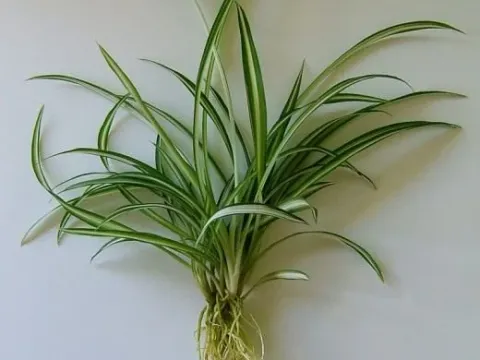
Chlorophytum
Chlorophytum
Chlorophytum is a genus of perennial herbaceous plants belonging to the Asparagaceae family. Native primarily to tropical and subtropical regions of Africa, these plants have adapted to various habitats, ranging from forest floors to epiphytic positions on trees.
What the section contains
 Cape Chlorophytum
Chlorophytum capense
Cape Chlorophytum
Chlorophytum capense
 Chlorophytum
 immaculatum
Chlorophytum
Chlorophytum immaculatum
 Chlorophytum africanum
Chlorophytum africanum
Chlorophytum africanum
 Chlorophytum arundinaceum
Chlorophytum blepharophyllum
Chlorophytum blepharophyllum
Chlorophytum arundinaceum
Chlorophytum arundinaceum
Chlorophytum blepharophyllum
Chlorophytum blepharophyllum
 Chlorophytum calyptrocarpum
Chlorophytum calyptrocarpum
Chlorophytum calyptrocarpum
 Chlorophytum cameronii
Chlorophytum cordifolium
Chlorophytum cordifolium
Chlorophytum cameronii
Chlorophytum cameronii
Chlorophytum cordifolium
Chlorophytum cordifolium
 Chlorophytum debile
Chlorophytum debile
Chlorophytum debile
 Chlorophytum gallabatense
Chlorophytum gallabatense
Chlorophytum gallabatense
 Chlorophytum galpinii
Chlorophytum galpinii
Chlorophytum galpinii
 Chlorophytum hybrids
Chlorophytum hybrids
Chlorophytum hybrids
 Chlorophytum lancifolium
Chlorophytum lancifolium
Chlorophytum lancifolium
 Chlorophytum macrophyllum
Chlorophytum macrophyllum
Chlorophytum macrophyllum
 Chlorophytum stenopetalum
Chlorophytum stenopetalum
Chlorophytum stenopetalum
 Chlorophytum subpetiolatum
Chlorophytum subpetiolatum
Chlorophytum subpetiolatum
 Chlorophytum tuberosum
Chlorophytum tuberosum
Chlorophytum tuberosum
Chlorophytum
For optimal growth, the crop requires stable temperatures, ideally between 18 and 24 degrees Celsius. While it is highly adaptable, it thrives best in bright, indirect light, as prolonged exposure to direct sunlight can damage the leaf tissue.
The cultivation substrate must be well-drained and nutrient-rich to support the plant's robust root system. A mixture of loam, peat moss, and sand provides the necessary aeration and moisture retention capacity for vigorous plant development.
Agricultural management includes a consistent watering schedule, ensuring the substrate remains evenly moist but not waterlogged. During the dormant winter phase, irrigation frequency should be reduced to prevent the development of root-related complications.
Beyond its ornamental value, the plant is economically significant due to its physiological ability to sequester indoor air pollutants. It is widely employed in building interior climate control strategies to improve air quality through natural biofiltration.
The primary pests affecting Chlorophytum are spider mites and scale insects, which can thrive in low-humidity environments. Regular inspection and the application of horticultural oils or systemic insecticides are recommended for control.
Fungal diseases, including root and crown rot, are the most frequent issues, typically caused by poor drainage or overwatering. Maintaining a proper watering regime and ensuring sufficient air circulation are the fundamental steps to prevent pathogen outbreaks.