
Chlorophytum stenopetalum
Chlorophytum stenopetalum
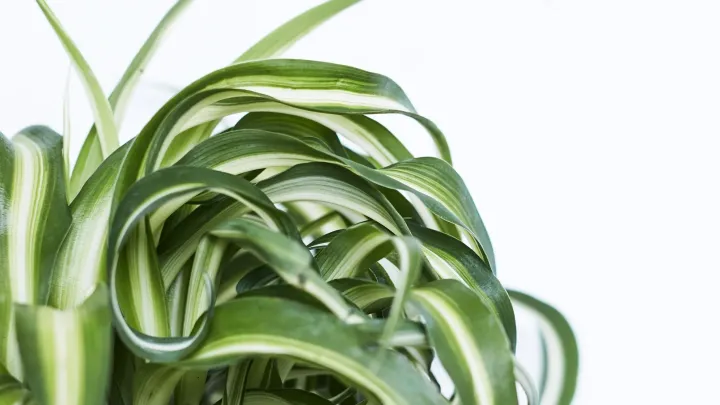
Description
Growing requirements
Chlorophytum stenopetalum is a perennial herbaceous plant belonging to the Asparagaceae family. Native to tropical Africa, this species is highly valued for its elegant, slender foliage and its ability to thrive as an ornamental crop in indoor settings and specialized botanical collections.
The plant requires bright, indirect light to maintain its vibrant green color and structural integrity. Exposure to harsh, direct sunlight can damage the leaves, while insufficient lighting can lead to stunted growth and loss of the plant's characteristic dense rosette habit.
Ideal soil for this culture should be fertile, well-draining, and slightly acidic to neutral. A mixture of loam, leaf mold, and coarse sand is recommended to ensure that the root system has adequate access to oxygen and that excess water can move freely through the potting substrate.
Watering should be managed with care; the soil should remain consistently moist but never waterlogged. During the peak growing season, the plant benefits from regular watering, while in the dormant winter phase, moisture levels should be reduced to prevent the risk of crown and root rot.
Economically, Chlorophytum stenopetalum serves as an essential plant for interior landscaping and air purification. Its ability to absorb indoor pollutants makes it a popular choice for improving air quality in offices, public buildings, and homes, contributing to a healthier indoor environment.
Main diseases and pests
The main pests that pose a threat to Chlorophytum stenopetalum are spider mites and scale insects. These pests often thrive in environments with low humidity, so maintaining proper ambient moisture levels is a primary defense strategy against infestation, complemented by periodic leaf cleaning.
Fungal issues, particularly root rot, are the most significant threats to the long-term health of the plant. These are primarily caused by over-irrigation or the use of poorly drained soil. Early detection of leaf yellowing or softening of the base indicates that soil moisture levels must be adjusted immediately.