
Chlorophytum macrophyllum
Chlorophytum macrophyllum
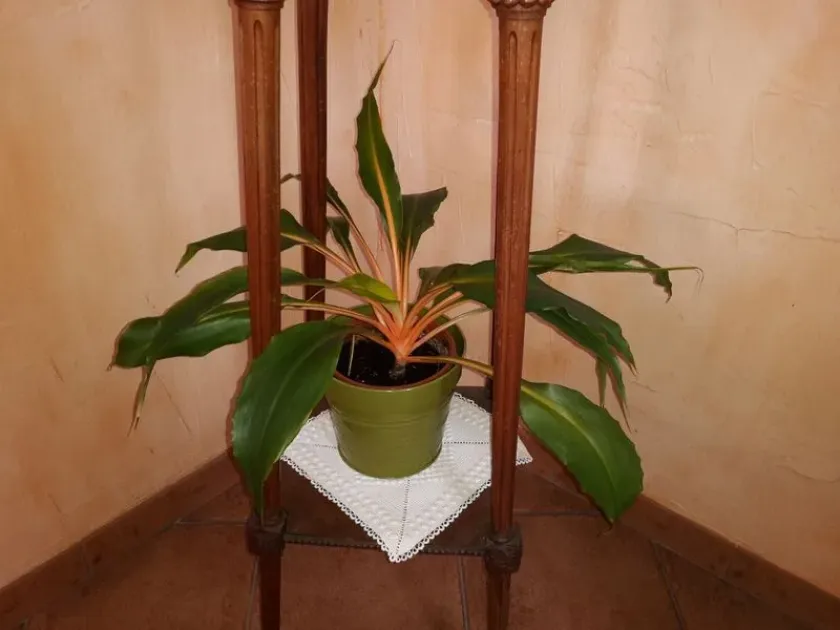
Description
Growing requirements
Chlorophytum macrophyllum is a member of the Asparagaceae family. This perennial herbaceous plant is native to tropical Africa, where it thrives in shaded forest understories, adapting to warm temperatures and consistent levels of ambient humidity throughout the year.
Botanically, the species is distinguished by its significantly broader foliage compared to common spider plants. It requires bright, indirect lighting to maintain healthy leaf pigmentation and optimal growth rates, as direct sun exposure can severely desiccate the leaf structure.
The ideal temperature range for this crop is between 18 and 25 degrees Celsius. It is relatively sensitive to sudden thermal shocks, which necessitates careful placement away from air conditioning vents and drafty windows during the colder months of the year.
The substrate should be well-draining, nutrient-rich, and slightly acidic or neutral in pH. A mixture of peat, perlite, and organic matter is typically recommended to provide the necessary aeration for the robust root system characteristic of this genus.
Watering requirements depend on the season; during the active growing phase, the soil should be kept consistently moist but not waterlogged. In winter, the plant enters a semi-dormant stage, requiring reduced watering frequency to prevent root suffocation and decay.
Main diseases and pests
The most common pests affecting Chlorophytum macrophyllum include spider mites and mealybugs. These infestations are often linked to low air humidity levels, which favor the rapid multiplication of these insects on the undersides of the leaves.
Fungal pathogens, particularly root rot, are the most frequent diseases resulting from overwatering or inadequate soil drainage. Such conditions lead to the darkening and softening of the crown, which can quickly prove fatal to the entire plant if untreated.
Physiological stress, manifesting as browning leaf tips, is often a result of using hard water with high mineral content or chemical additives. Using distilled or filtered water can significantly improve the aesthetic quality of the foliage over time.
Effective management involves a combination of mechanical cleaning, such as wiping leaves with soap solutions, and chemical intervention when infestations are severe. It is essential to ensure that pesticides are applied in accordance with agricultural safety protocols.
Proactive care, including monitoring for early signs of disease and ensuring proper spacing between plants, is crucial for maintaining a healthy crop. Regular removal of senescent leaves prevents the accumulation of pathogens and promotes vigorous new growth.