
Chlorophytum debile
Chlorophytum debile
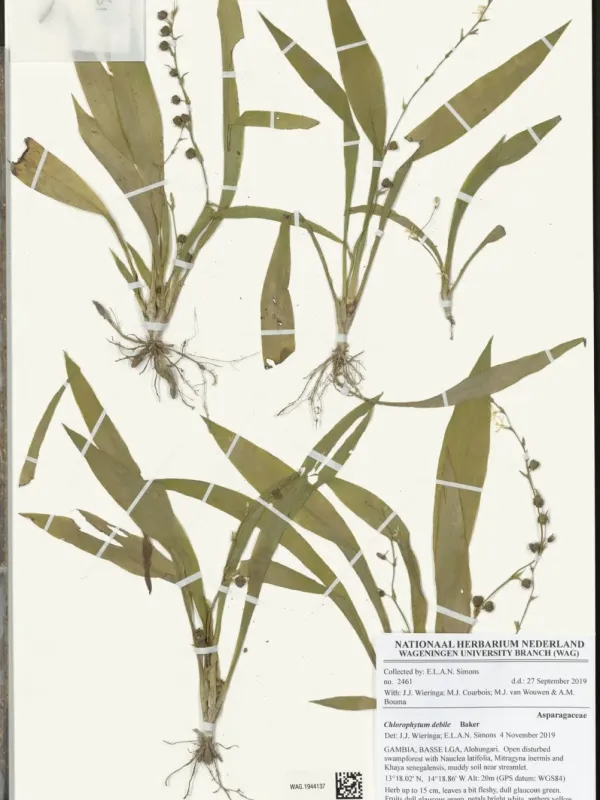
Description
Growing requirements
Chlorophytum debile is a perennial herbaceous plant belonging to the Asparagaceae family. Native to tropical African regions, it has evolved to thrive in environments with filtered light and high atmospheric humidity.
For successful cultivation, the crop requires consistent environmental conditions. It is essential to avoid direct sunlight, which can damage the foliage. Indirect, bright light is considered optimal for healthy growth cycles.
The ideal soil profile for Chlorophytum debile should be light, well-draining, and rich in organic matter. A slightly acidic to neutral pH balance provides the best nutrient uptake efficiency for this species.
Temperature management is a key factor in agronomic practice. Maintaining a range between 18 and 25 degrees Celsius is crucial, as the plant is sensitive to thermal shock and cold drafts.
Watering protocols must be strictly followed to prevent waterlogging. Consistent moisture is necessary, but the substrate should be allowed to dry slightly between watering sessions to ensure root health.
Main diseases and pests
The primary pests affecting Chlorophytum debile in controlled environments include spider mites. These pests thrive in dry conditions and can cause significant foliage chlorosis if not managed promptly.
Mealybugs are another common threat to the crop. They cluster in the leaf axils, extracting plant sap and potentially transmitting secondary viral or fungal infections that weaken the plant structure.
Fungal diseases, specifically root rot, are often associated with poor drainage or excessive irrigation. Symptoms include softening of the crown and a progressive decline in plant vigor.
Effective disease management involves early detection through regular monitoring and the use of appropriate biological controls. Maintaining a clean cultivation environment is essential for prevention.
Nutritional deficiencies can also mimic disease symptoms. Balanced fertilization is required during the active growing season to ensure the plant maintains its natural resistance against environmental stressors.