
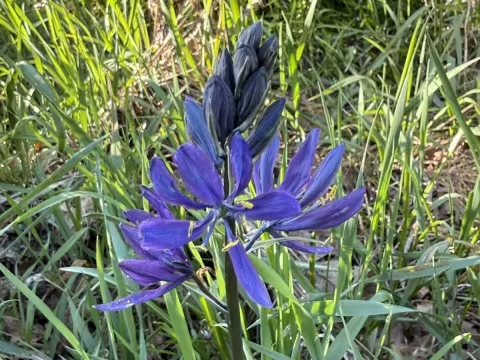
Camassia
Camassia
Camassia belongs to the Asparagaceae family and is a perennial bulbous plant native to North America. In agricultural practice, propagation is primarily carried out vegetatively by separating offset bulbs from the parent plant during its dormant period.
What the section contains


Camassia
Bulbs are typically planted in open ground during autumn, in September or October, to ensure proper root establishment before the onset of steady frosts. In regions with harsh climates, spring planting is possible, though it may negatively impact the flowering performance in the first year.
Planting depth depends directly on the size of the bulb and soil type, usually ranging from 10 to 15 centimeters. A spacing of 15–20 centimeters between individual bulbs is necessary to ensure optimal growing space and sufficient air circulation for the plantings.
Seed propagation is used mainly by breeders for developing new cultivars. When growing from seeds, flowering usually begins only in the 3rd or 4th year of the plant's life, which is why this method is considered less efficient for commercial or decorative purposes.
The optimal time for dividing bulb clusters is when the foliage begins to yellow and die back. This indicates that the plant has entered a state of physiological dormancy, allowing for minimal stress during transplantation to a new location.
This crop prefers well-lit areas but can withstand partial shade during the hottest hours of the day. A vital requirement is protection from strong winds, which can damage the plant's tall flower stalks.
Successful growth of Camassia requires moisture-retentive but well-drained, fertile soils. Stagnant water in the root zone is lethal for the bulbs and often leads to rot, so on heavy clay soils, it is mandatory to organize a drainage layer.
Camassia demonstrates a high demand for soil moisture during its active vegetation period. In dry springs, regular watering is necessary to maintain moderate substrate moisture until the flowering process is complete.
The plant is well-adapted to temperate climates, characterized by high cold hardiness, and does not require mandatory lifting of bulbs for winter in most regions. In severe conditions, light mulching of the soil surface with peat or fallen leaves is recommended.
For optimal development, soil pH should be neutral or slightly acidic. Before planting, it is recommended to add organic fertilizers, such as well-rotted compost, to enrich the soil with essential nutrients.
The primary threat to Camassia bulbs is various types of rot resulting from improper watering practices. Fusarium wilt and Sclerotinia can quickly destroy planting material in conditions of excessive moisture and poor soil aeration.
Pests, such as the onion fly and various types of nematodes, can cause significant damage to plantations. Damaged bulbs become vulnerable to secondary infections, which requires timely application of insecticides and fungicides.
Rodents often show interest in bulbs during the winter period. To prevent damage, it is recommended to use protective mesh when planting or to apply repellents to deter small pests from the area where bulbs are planted.
Slugs and snails can damage young Camassia shoots at the beginning of the growing season. An effective control method is manual collection of pests or the use of specific molluscicides around the plantings.
To maintain crop health, it is recommended to practice crop rotation and avoid planting Camassia in areas where other bulbous plants susceptible to similar diseases have been previously cultivated.
The commercial use of Camassia is linked to the production of high-quality decorative material. Harvesting bulbs for sale or transplantation is performed after the vegetation period ends, once the aerial parts of the plant have completely withered.
Once lifted, bulbs should be cleaned of soil and dried in a well-ventilated area protected from direct sunlight. After drying, bulbs are graded by size and any damaged material is removed.
Storage should be conducted in a dry, cool room at a temperature of approximately 15–18 degrees Celsius. Providing good air circulation in boxes or crates is crucial to prevent the development of mold fungi.
When using Camassia as a cut flower, harvest the stalks when the first flowers are half-open. This prolongs the vase life of the bouquet and preserves the commercial quality of the product during transportation.
Regular rejuvenation of plantings by dividing bulbs annually or every 3–4 years is the key to high productivity and decorative quality. With proper care, a plantation can be productively used in the same location for a long time.