
Cape Chlorophytum
Chlorophytum capense
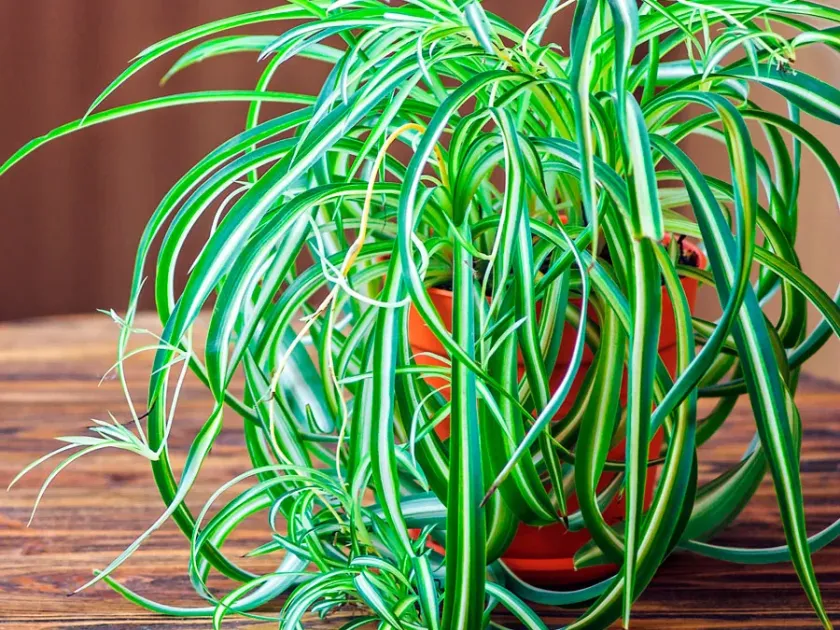
Description
Growing requirements
Cape Chlorophytum (Chlorophytum capense) is a perennial herbaceous plant belonging to the Asparagaceae family. It is characterized by its tuberous root system, which acts as a storage organ for moisture, allowing the plant to withstand periods of limited water supply.
Originating from South Africa, this species naturally inhabits shaded forest floors. Because of its native environment, it has adapted to thrive in conditions with diffused light rather than direct, harsh solar exposure.
The climate requirements for optimal growth involve maintaining a steady temperature range between 18°C and 25°C. Exposure to sudden temperature drops or cold drafts should be avoided to prevent stress and stunted growth.
Regarding soil, the plant prefers a well-draining, nutrient-rich substrate. A standard mix of peat, loam, and coarse sand provides the necessary aeration for root development while preventing waterlogging, which is critical for health.
Agronomic maintenance includes regular irrigation during the growing season, ensuring the soil partially dries out between waterings. Fertilization with a balanced liquid fertilizer is recommended every two weeks during the spring and summer months.
Main diseases and pests
Typical pests affecting Chlorophytum capense include spider mites and mealybugs. These organisms thrive in environments with low humidity, which is common in many indoor settings where the plant is grown.
Management of pest outbreaks involves regular inspection of foliage and mechanical removal of insects using damp cloths or water sprays. In severe cases, mild insecticidal soaps or horticultural oils should be applied.
Fungal diseases are predominantly caused by excessive soil moisture and poor air circulation. Symptoms often manifest as darkened leaf tips or decay at the base of the rosette, known as crown rot.
Preventive measures include implementing a strict irrigation schedule and ensuring the pot has adequate drainage holes. Maintaining clean surroundings helps prevent the spread of fungal spores.
If decay is detected early, the plant can be rescued by repotting into fresh, sterile substrate after pruning away the infected roots and applying a fungicide or charcoal powder to the cuts.