
Chlorophytum tuberosum
Chlorophytum tuberosum
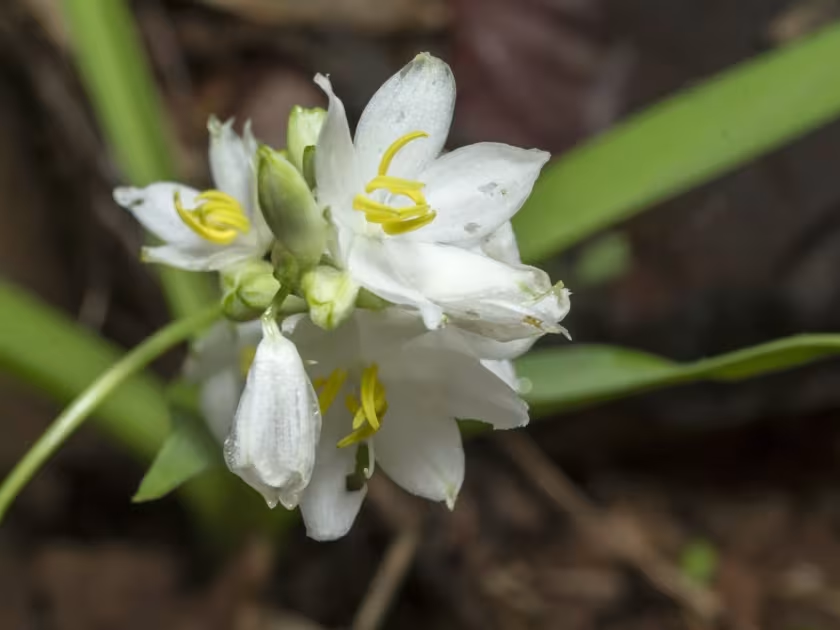
Description
Growing requirements
Chlorophytum tuberosum is a perennial herbaceous plant belonging to the Asparagaceae family. This species is distinct due to its fleshy, tuberous roots which act as storage organs, allowing the plant to thrive in regions with periodic water scarcity.
The plant originates from the tropical regions of India and parts of Africa. It typically grows in well-lit savanna areas and open forest floors, where it has evolved to utilize seasonal rainfall effectively.
Cultivation requires loose, well-draining soil with a neutral to slightly acidic pH. Avoiding waterlogging is critical to prevent the rotting of its characteristic tubers, which are sensitive to hypoxic conditions.
Ideal temperatures for active growth range from +20°C to +28°C. While the plant can withstand short periods of environmental stress, consistent growth is achieved under stable tropical-like temperature regimes.
Beyond its botanical interest, the plant has traditional uses in medicinal practices, particularly in its native range, where the tubers are processed for their nutritional and tonic properties.
Main diseases and pests
The primary threats to the crop include root and crown rot, which are triggered by over-irrigation and poor drainage in the growth medium.
Pests such as spider mites, scale insects, and mealybugs are the most common adversaries, particularly in indoor or greenhouse cultivation environments with low humidity.
To maintain plant health, it is essential to ensure adequate air circulation and to avoid overhead watering, which can trap moisture in the leaf axils.
Integrated pest management strategies, including the use of neem-based oils or specialized insecticidal soaps, are effective in controlling infestations without harming the plant.
Regular monitoring for signs of leaf yellowing or stunted development is recommended to detect any pathogenic activity early and ensure long-term crop vigor.