
Chlorophytum arundinaceum
Chlorophytum arundinaceum
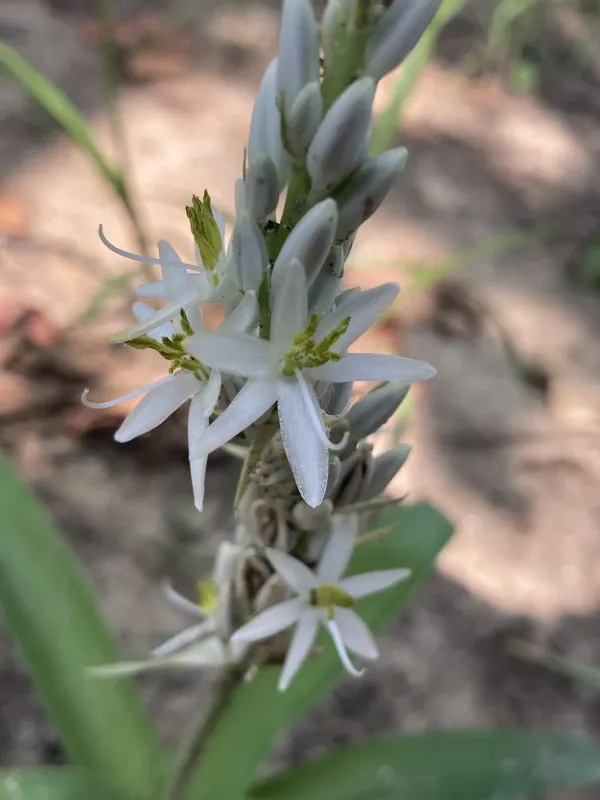
Description
Growing requirements
Chlorophytum arundinaceum is a perennial herb belonging to the Asparagaceae family. This species is distinct due to its tuberous root system, which is highly valued for its medicinal properties in traditional systems of medicine.
Originating from the tropical regions of India, the crop thrives in humid and warm climates. It requires loose, well-drained soil rich in organic matter to prevent root rot, which is a common problem in poorly aerated environments.
Agricultural success depends on providing a shaded or semi-shaded environment. Direct sunlight can scorch the leaves, while insufficient light may result in reduced tuber development, negatively impacting overall harvest yields.
Effective management includes maintaining a stable temperature range between 20°C and 30°C. Regular irrigation is necessary, ensuring the soil remains moist but never waterlogged to protect the integrity of the tubers.
Economically, the plant is processed for its active pharmacological compounds, including various saponins. It is often cultivated as an ingredient in health supplements and skincare formulations.
Main diseases and pests
The primary threats to the crop include various fungal diseases like root rot (Rhizoctonia) and fusarium wilt, which are exacerbated by excessive moisture in the cultivation medium.
Pest outbreaks, specifically red spider mites and mealybugs, are common challenges that can significantly reduce leaf photosynthetic efficiency and plant vigor.
Integrated pest management strategies are essential, focusing on maintaining field hygiene and using biological controls whenever possible to avoid chemical contamination of the root products.
Early diagnosis is crucial, and removing affected plants from the field helps prevent the transmission of localized infections to neighboring sections.
Soil sterilization techniques before planting are recommended to manage soil-borne pathogens and ensure healthy development of the root tubers.