
Chlorophytum galpinii
Chlorophytum galpinii
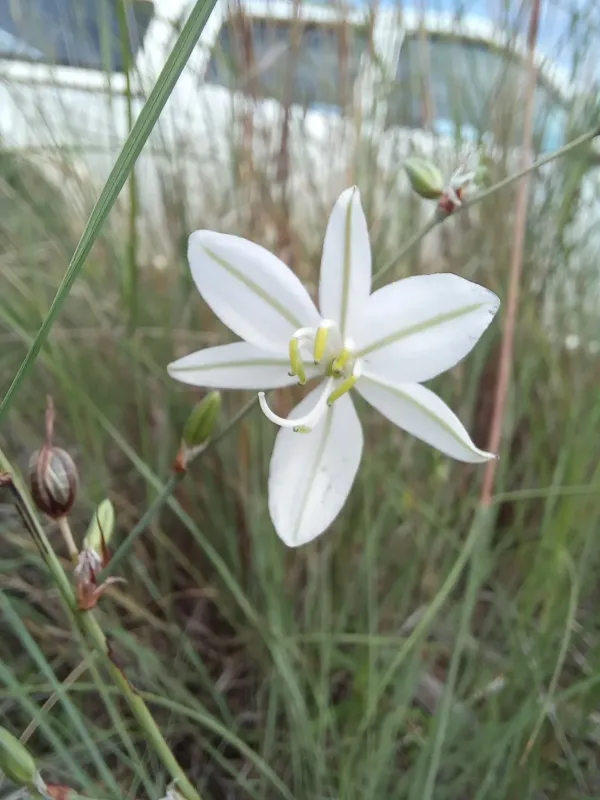
Description
Growing requirements
Chlorophytum galpinii is a perennial herbaceous plant belonging to the Asparagaceae family. Unlike common species of the genus, this variety exhibits succulent characteristics, featuring thickened roots designed for efficient water storage, allowing it to survive in naturally arid environments.
Originating from Southern Africa, this species thrives in regions characterized by distinct dry and wet seasons. Its botanical structure allows for effective moisture retention, making it a highly resilient candidate for cultivation in specific environmental conditions that mimic its native habitat.
Agricultural success depends heavily on substrate quality. Growers must ensure the soil is loose and possesses excellent drainage capabilities. A mixture containing coarse sand or perlite is highly recommended to prevent water logging, which the plant cannot tolerate due to its succulent root system.
The climate requirements involve a warm environment, ideally between 18 and 25 degrees Celsius. While it prefers bright light, the plant can tolerate intense sunshine, though it is usually grown in controlled greenhouse settings in cooler climates to avoid thermal stress or frost damage.
The primary economic and horticultural use of Chlorophytum galpinii is in professional landscaping and decorative design. It is valued for its hardiness, air-purifying properties, and structural appeal, making it a preferred choice for sustainable interior greening and public space decoration.
Main diseases and pests
The most significant threats to the health of this crop are fungal pathogens, specifically those causing root and crown rot. These diseases are almost always associated with improper irrigation practices or poor soil structure that holds excessive water for extended periods.
Insect pests such as spider mites and mealybugs are the primary concern for greenhouse growers. Maintaining adequate air circulation and moderate humidity levels is essential to prevent infestations, though regular monitoring is necessary to intervene with appropriate treatments if pests appear.