
Chlorophytum
Chlorophytum immaculatum
Description
Growing requirements
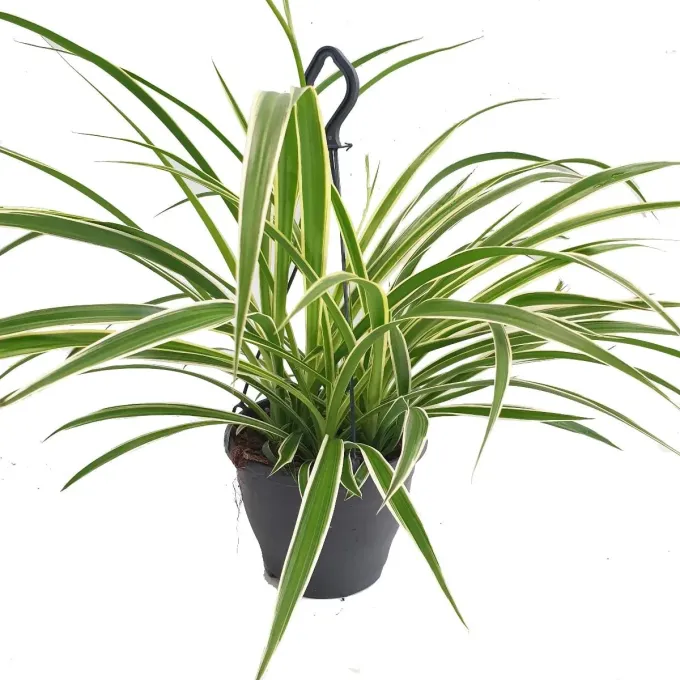
Chlorophytum (Chlorophytum immaculatum) is a herbaceous perennial plant belonging to the Asparagaceae family. Originally native to the tropical and subtropical regions of Africa, it has adapted to thriving in shaded forest floors with high humidity levels.
The botanical structure consists of a basal rosette of arching, lance-shaped leaves. One of its most notable features is the root system, which consists of fleshy, tuberous roots designed to store water and essential nutrients during periods of drought.
To ensure optimal growth, the cultivation medium must be porous and well-drained. A soil mix based on peat, perlite, and organic matter is recommended to maintain the necessary moisture levels without causing water stagnation.
Light requirements for this species include bright, indirect sunlight. While it can tolerate lower light levels, variegated forms may lose their intensity and unique color patterns if kept in deep shade for extended periods.
Temperature management is critical for productivity; the plant prefers a range between 18 and 25 degrees Celsius. It is widely recognized for its air-purifying capabilities, specifically the removal of formaldehyde and other common indoor pollutants.
Main diseases and pests
The primary pests affecting Chlorophytum include spider mites, scale insects, and mealybugs. These organisms typically thrive in environments with low humidity, which often occurs in climate-controlled indoor settings.
Root rot is the most common disease associated with improper irrigation practices. Overwatering leads to oxygen deprivation in the root zone, creating ideal conditions for fungal pathogens to destroy the plant tissue.
Integrated pest management strategies should include regular leaf washing and the use of insecticidal soaps. Maintaining proper airflow around the plant helps reduce the risk of mold and fungal infections.
Nutrient deficiencies or improper soil salinity levels can result in tip burn, where the ends of the leaves turn brown and dry. Correcting the water quality and applying balanced fertilizers can mitigate these stress symptoms.
If systemic diseases are detected, immediate isolation of the plant is necessary. Pruning affected leaves and replacing the growing medium with sterile substrate is the recommended course of action for recovery.