
Chlorophytum africanum
Chlorophytum africanum
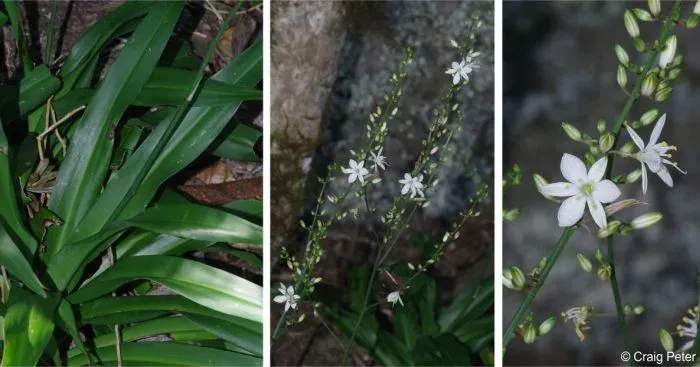
Description
Growing requirements
Chlorophytum africanum is a perennial plant belonging to the Asparagaceae family, native to the tropical and subtropical regions of Africa. It is characterized by its basal rosettes of linear-lanceolate leaves and tuberous, fleshy roots that serve as storage organs for nutrients and water.
The plant thrives in well-drained, fertile soils with a pH ranging from 6.0 to 7.0. It is highly valued in agriculture and horticulture for its ability to adapt to varying light conditions, although it performs best under bright, indirect light to maintain optimal leaf coloration and growth rates.
Climate requirements involve maintaining temperatures between +18 and +26 degrees Celsius. While it possesses some drought tolerance due to its root anatomy, consistent moisture levels are essential for vigorous growth and the development of healthy foliage during the active vegetation season.
Proper agronomic management requires regular fertilization using balanced nitrogen-phosphorus-potassium compounds. Application should be performed during the growing phase to support root development and leaf production, ensuring the plants remain robust and visually appealing.
Economically, the species is widely used for indoor air purification, as studies indicate its efficiency in absorbing indoor pollutants such as carbon monoxide and formaldehyde. Its ornamental value and low maintenance requirements make it a staple in indoor landscaping.
Main diseases and pests
Common pests affecting Chlorophytum africanum include spider mites, scale insects, and mealybugs. These pests typically congregate on the underside of leaves and in the central rosettes, feeding on sap and reducing the plant's overall vitality.
Root rot, often caused by Oomycetes or various fungi such as Pythium, is a significant threat associated with overwatering and poor soil aeration. Preventing waterlogged conditions is the primary method of minimizing the risk of systemic decay in the tuberous root system.
Fungal leaf spot diseases can develop if humidity levels are excessively high without adequate air circulation. Removing affected leaves and improving ventilation are critical steps in managing outbreaks and preventing further spread within a crop population.
Early detection is vital for effective pest control. Implementing regular scouting practices allows for the identification of initial infestations, where manual removal or the application of organic soap-based insecticides can be sufficient to suppress the pest population.
Integrated Pest Management (IPM) protocols recommend avoiding the use of broad-spectrum pesticides where possible. Instead, focus on maintaining optimal soil moisture and providing sufficient airflow, which acts as a natural deterrent against most common plant pathogens and insect invaders.