
Chlorophytum calyptrocarpum
Chlorophytum calyptrocarpum
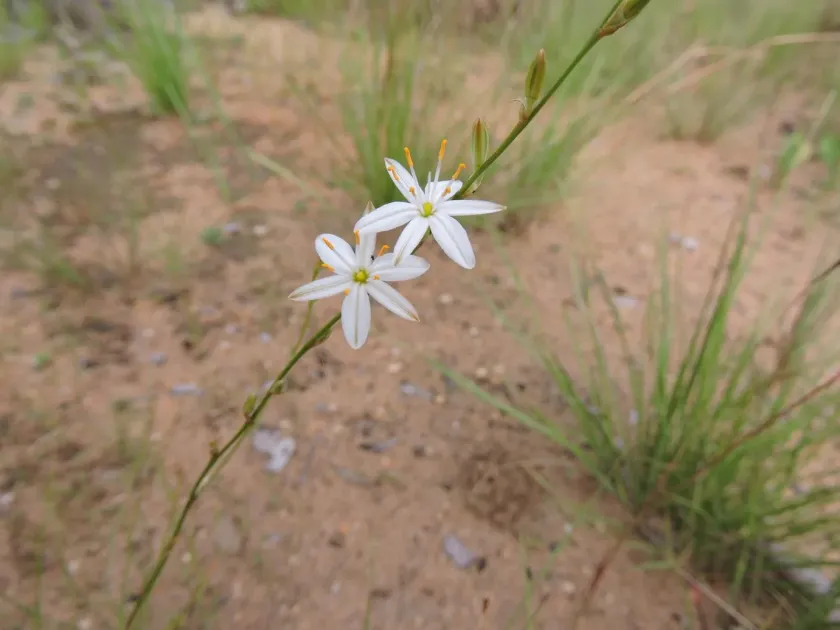
Description
Growing requirements
Chlorophytum calyptrocarpum is a perennial herbaceous plant belonging to the Asparagaceae family. Its native origin is associated with the tropical and subtropical regions of Africa, where it thrives in shaded forest understories.
The crop requires a stable temperature range of 18–24°C (64–75°F) for optimal growth. It is highly sensitive to cold drafts and sudden temperature fluctuations which can cause significant tissue damage to its foliage.
Regarding light, this plant prefers bright, indirect illumination. Direct sun exposure should be strictly avoided during mid-day hours to prevent leaf scorching and excessive water loss through transpiration.
The soil for cultivation should be well-drained, fertile, and slightly acidic or neutral. A mix of peat, compost, and coarse sand provides the necessary aeration and moisture retention capacity for healthy root development.
Irrigation practices must prioritize moderation. The root system is susceptible to decay if kept waterlogged, so the substrate should be allowed to dry slightly between watering sessions to ensure proper oxygen exchange.
Main diseases and pests
The primary pests affecting Chlorophytum calyptrocarpum are spider mites, mealybugs, and scale insects. Integrated pest management strategies, including biological controls or targeted insecticides, are recommended for infestations.
Root rot is the most common pathology associated with poor soil drainage and excessive irrigation. Fungicidal treatments and improved aeration of the substrate are essential steps to recover affected plants.
Low humidity often results in browning leaf tips, a common physiological symptom in domestic environments. Using room-temperature water for misting can help alleviate stress caused by dry indoor air.
Nutrient deficiencies, such as nitrogen or magnesium shortage, manifest as chlorosis or stunted growth. A balanced liquid fertilizer applied during the growing season is necessary to maintain vigor.
Poor ventilation promotes the growth of surface molds on the potting mix. Ensuring good air movement around the plant is vital to minimize fungal pressure and maintain a healthy phyllosphere.