
Chlorophytum hybrids
Chlorophytum hybrids
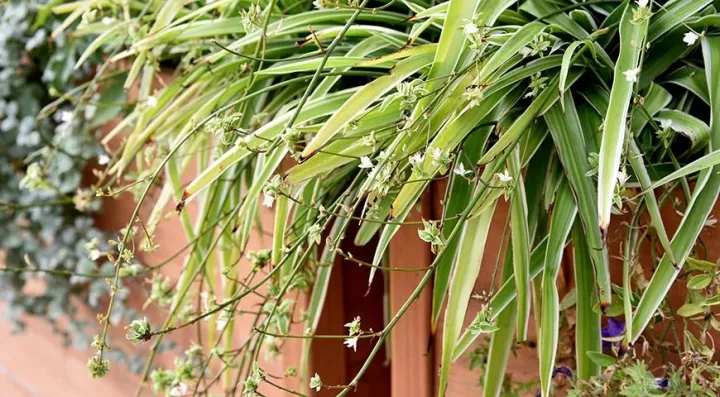
Description
Growing requirements
Chlorophytum hybrids belong to the family Asparagaceae and are widely recognized as a major horticultural crop for indoor decoration. These plants are selected for their resilience, rapid growth rate, and ability to thrive in various indoor climate conditions, making them a staple in commercial greenhouses.
Originating from the tropical and subtropical regions of Africa, these plants have been hybridized to enhance their aesthetic appeal, specifically focusing on leaf variegation and overall plant architecture. They act as essential components in modern phytodesign and air purification projects.
Botanically, the plant features a rosette of elongated, succulent leaves arising from a fleshy root system. This unique morphology allows the plant to survive temporary drought conditions, as the tuberous roots store moisture and vital nutrients required for metabolic processes.
The optimal climate for growth is characterized by moderate temperatures ranging from 18 to 25 degrees Celsius. While they are tolerant of lower light conditions, consistent bright, indirect sunlight is recommended to maintain the vibrant color patterns characteristic of these specific hybrid varieties.
Soil requirements for commercial production involve a well-draining, peat-based substrate with a balanced pH level. Proper aeration is crucial; therefore, adding perlite or coarse sand to the mix is standard practice to prevent root compaction and provide oxygen to the root zone.
Main diseases and pests
The primary pest threats to Chlorophytum hybrids include spider mites and mealybugs, which thrive in environments with low humidity. Integrated pest management, including regular foliage inspection and the use of insecticidal soaps, is essential for maintaining crop quality in nursery settings.
Pathogenic threats are usually associated with poor water management, leading to root and crown rot. Fungal pathogens such as Pythium or Phytophthora can infect the plant under stagnant water conditions, necessitating strict control over irrigation frequency and container drainage systems.