
Chlorophytum cameronii
Chlorophytum cameronii
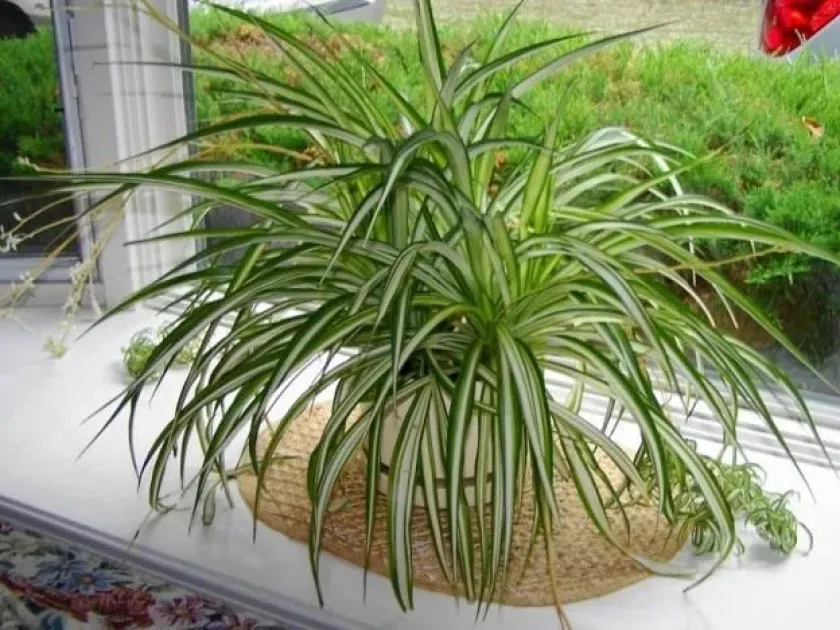
Description
Growing requirements
Chlorophytum cameronii is a distinctive herbaceous perennial plant belonging to the Asparagaceae family. This species is valued in horticulture for its foliage characteristics and its structural contribution to indoor landscape design.
Originating from the tropical regions of Africa, this plant has evolved to thrive in environments with dappled sunlight. Its physiological traits allow it to perform well as an understory plant, making it highly adaptable to various lighting conditions.
The crop requires a stable climate with temperatures ranging from 18 to 24 degrees Celsius. It does not tolerate prolonged exposure to extreme heat or frost, making controlled indoor environments ideal for consistent growth.
For successful production, the soil must be nutrient-rich and well-draining. A substrate composition involving peat-based mixes with perlite or coarse sand is recommended to ensure adequate moisture retention without causing root suffocation.
Agrotechnical management includes regular fertilization during the active growing phase. Providing a balanced nitrogen-phosphorus-potassium ratio supports optimal leaf development and maintains the plant's structural integrity.
Main diseases and pests
Common pests affecting Chlorophytum cameronii include spider mites and mealybugs. These organisms thrive in low-humidity environments and can rapidly compromise the health of the foliage.
Pathogenic threats are often linked to improper irrigation practices. Overwatering leads to oxygen deprivation in the root zone, creating ideal conditions for fungal pathogens such as Pythium and Rhizoctonia.
Integrated pest management (IPM) strategies, including the use of neem oil or targeted insecticidal soaps, are effective for controlling minor infestations without damaging the plant's delicate tissues.
Ensuring proper spacing between plants is crucial to encourage air circulation, which reduces the incidence of fungal outbreaks and prevents the build-up of excess moisture on leaf surfaces.
Regular sanitation, including the removal of dead or decaying organic matter from the soil surface, is an essential preventative measure to minimize the risk of recurring diseases.