
Chlorophytum lancifolium
Chlorophytum lancifolium
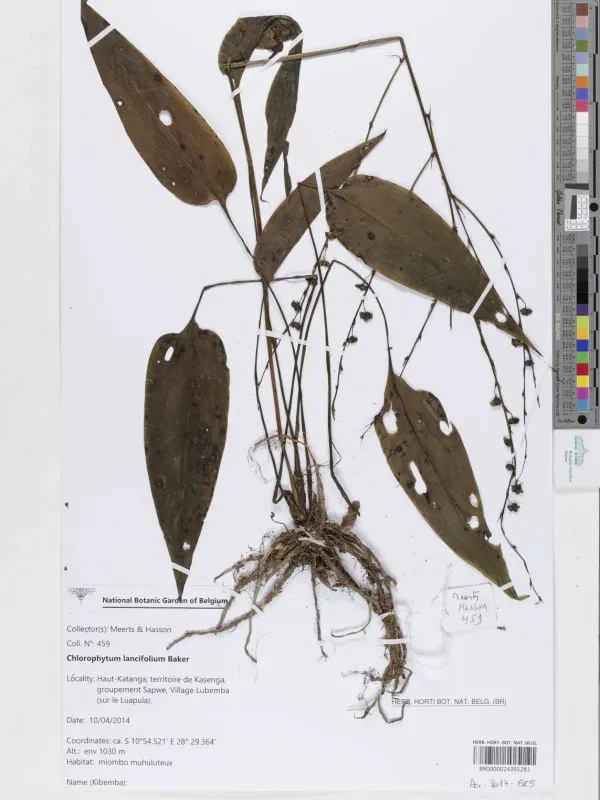
Description
Growing requirements
Chlorophytum lancifolium belongs to the Asparagaceae family. This perennial herbaceous plant is native to tropical Africa, where it thrives in humid forest understories, demonstrating high adaptability to low-light conditions.
The plant is characterized by its distinct lanceolate leaves forming a dense basal rosette. Its root system contains succulent, tuberous structures that serve as vital storage organs for water, supporting the plant during moisture-deficient periods.
Cultivation requires stable temperatures between +18 and +25 degrees Celsius. It is crucial to maintain an environment free from cold drafts, as the species is sensitive to sudden drops in temperature which can impair growth.
Soil requirements involve a well-draining, nutrient-rich substrate with a slightly acidic to neutral pH level. Proper drainage is essential to ensure that the succulent roots do not suffer from waterlogging or subsequent hypoxia.
The species thrives in bright, indirect light. While it is tolerant of shade, sufficient light exposure is required to maintain the structural integrity and aesthetic appeal of the lanceolate foliage.
Main diseases and pests
The primary pests affecting Chlorophytum lancifolium are spider mites, which frequently thrive in dry indoor conditions. Regular misting and the application of appropriate acaricides help keep populations under control.
Mealybugs and scale insects represent secondary threats. These pests are often found in leaf axils, requiring manual removal or the application of systemic insecticides for complete eradication.
Root rot remains the most critical health threat to the crop, usually stemming from overwatering. Ensuring the growing medium dries slightly between watering sessions is the most effective preventative strategy.
Fungal leaf spot diseases may appear if the ambient humidity is too high without adequate ventilation. Reducing plant density and improving air circulation are key agronomic measures to prevent outbreaks.
Integrated pest management protocols, including regular visual inspection and the use of sterile growing media, are essential for maintaining a healthy plant population throughout the vegetative cycle.