
Chlorophytum affine
Chlorophytum affine
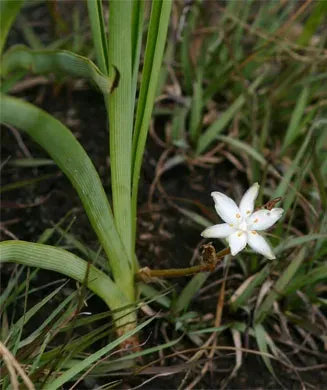
Description
Growing requirements
Chlorophytum affine is a perennial species within the Asparagaceae family, native to the tropical forests of Western and Central Africa.
This plant thrives in bright, indirect sunlight, which prevents leaf scorching while supporting continuous growth of its characteristic foliage.
Optimal cultivation requires a well-draining potting medium rich in organic matter, maintaining a soil pH level between 6.0 and 7.0 for nutrient absorption.
Temperature management is critical; the species prefers a stable environment between 18 and 24 degrees Celsius, avoiding exposure to frost or drafts.
In agricultural and interior applications, the plant is valued for its hardiness and ability to improve air quality by absorbing common indoor pollutants.
Main diseases and pests
Common pests affecting Chlorophytum affine include spider mites and mealybugs, which tend to infest plants in environments with low humidity levels.
Fungal pathogens causing root rot are a major threat, usually triggered by excessive irrigation and lack of proper aeration in the root zone.
Integrated pest management strategies should focus on maintaining adequate ambient humidity and utilizing safe insecticidal soaps when infestations occur.
Regular visual inspection of the underside of leaves allows for early detection of potential threats before they impact the plant's overall health.
Maintaining a balanced irrigation schedule is the most effective preventative measure against both physiological stress and biotic diseases.