
Cilician squill
Scilla cilicica
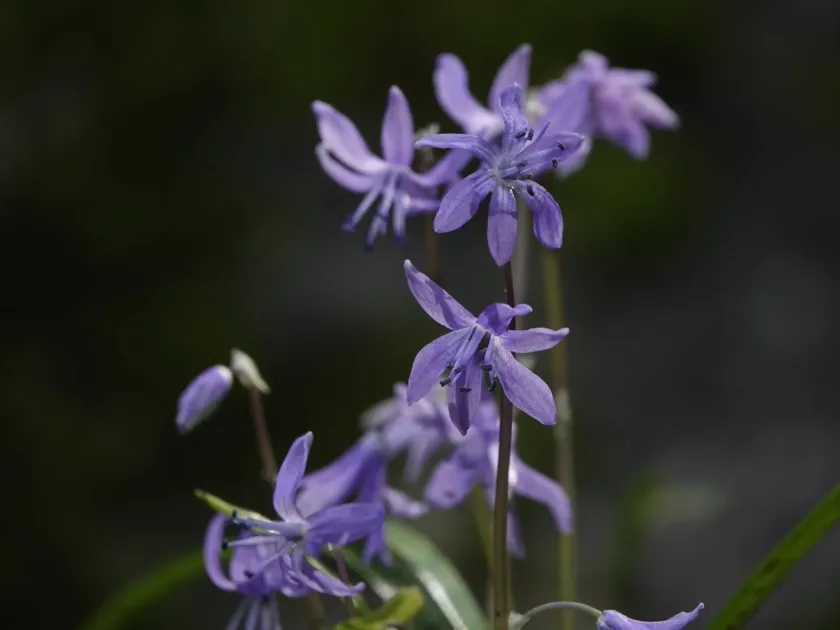
Description
Growing requirements
The Cilician squill (Scilla cilicica) is a perennial bulbous plant belonging to the Asparagaceae family. It originates from the rocky mountain regions of Turkey, adapting perfectly to well-drained habitats.
Botanically, this species is defined by its strap-shaped leaves and tall flower stalks that carry multiple starry, blue-hued blossoms, making it a popular choice for spring displays.
This crop thrives in spots that receive partial sunlight and require soil that is loose, fertile, and rich in organic matter to support the rapid growth phase during early spring.
Proper drainage is the most vital requirement for successful cultivation, as the bulbs are susceptible to rotting if exposed to prolonged moisture during the winter dormant season.
In landscape design, it is widely utilized for rock gardens, naturalistic drifts, and as a component of wildflower meadows, contributing significantly to early season aesthetics.
Main diseases and pests
The primary threats to Scilla cilicica include fungal pathogens such as Botrytis, which can affect the foliage and bulbs during cold, damp spring weather conditions.
Bulb mites represent a significant pest issue, as they burrow into the plant's basal plate, causing stunting and preventing the development of a healthy root system.
Effective management includes maintaining optimal soil aeration and preventing overcrowding, which helps to mitigate the spread of soil-borne pathogens across the planting site.
Rodents may pose a threat to the bulbs during the dormancy period; therefore, the use of protective wire mesh or natural repellents is recommended in vulnerable areas.
Regular inspection of the foliage for signs of chlorosis or wilting is essential for early intervention and ensures the longevity of the plant in its chosen environment.