
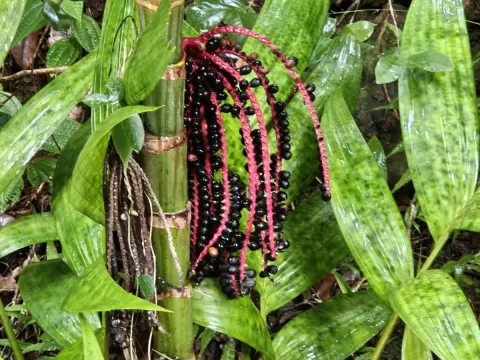
Pinanga
Pinanga
Pinanga is a large genus of evergreen palms within the Arecaceae family. These plants are native to the tropical forests of Southeast Asia and the Pacific Islands, where they thrive in warm and humid understory environments.
What the section contains
 Pinanga coronata
Pinanga coronata
Pinanga coronata
 Pinanga crassipes
Pinanga crassipes
Pinanga crassipes
 Pinanga disticha
Pinanga furfuracea
Pinanga furfuracea
Pinanga disticha
Pinanga disticha
Pinanga furfuracea
Pinanga furfuracea
 Pinanga gracilis
Pinanga gracilis
Pinanga gracilis
 Pinanga limosa
Pinanga limosa
Pinanga limosa
 Pinanga malaiana
Pinanga malaiana
Pinanga malaiana
 Pinanga paradoxa
Pinanga paradoxa
Pinanga paradoxa
 Pinanga patula
Pinanga patula
Pinanga patula
 Pinanga perakensis
Pinanga perakensis
Pinanga perakensis
 Pinanga riparia
Pinanga riparia
Pinanga riparia
 Pinanga simplicifrons
Pinanga subruminata
Pinanga subruminata
Pinanga simplicifrons
Pinanga simplicifrons
Pinanga subruminata
Pinanga subruminata
 Pinanga veitchii
Pinanga veitchii
Pinanga veitchii
Pinanga
The crop requires a consistently warm climate, ideally with temperatures between 22°C and 28°C. It is extremely sensitive to cold; exposure to temperatures below 15°C can lead to severe stress or necrosis of the foliage and root system.
Soil requirements for Pinanga include a well-draining, nutrient-rich substrate. A slightly acidic to neutral pH is preferred. It is crucial to maintain high humidity levels, ideally above 65%, to mimic the natural rainforest conditions of their origin.
Light management is essential for healthy development. Pinanga plants are shade-tolerant by nature and should be kept away from direct, harsh sunlight to prevent leaf scorch and dehydration of the plant tissues.
Watering should be consistent enough to keep the soil moist but never waterlogged. Using a high-quality organic potting mix that allows for proper aeration is recommended for optimal root health and vigorous growth.
In indoor or greenhouse settings, Pinanga is frequently susceptible to infestations of spider mites, which thrive in low-humidity environments. These pests cause yellowing and stippling of the leaflets.
Mealybugs are another common threat, often found clustering at the base of the stems or in the axils of the leaves. Manual removal combined with systemic insecticidal treatments is often necessary for effective control.
Root rot remains the most common fungal threat, usually resulting from poor drainage or excessive irrigation during cooler periods. This can cause the plant to collapse very quickly.
To mitigate disease risks, growers should ensure proper airflow and avoid overhead irrigation. Maintaining sanitary conditions and avoiding soil compaction are critical preventative measures for this culture.
Regular monitoring of leaf undersides for signs of pests, combined with maintaining optimal humidity and temperature, provides the most robust defense against potential infestations and pathogen development.