
Pinanga patula
Pinanga patula
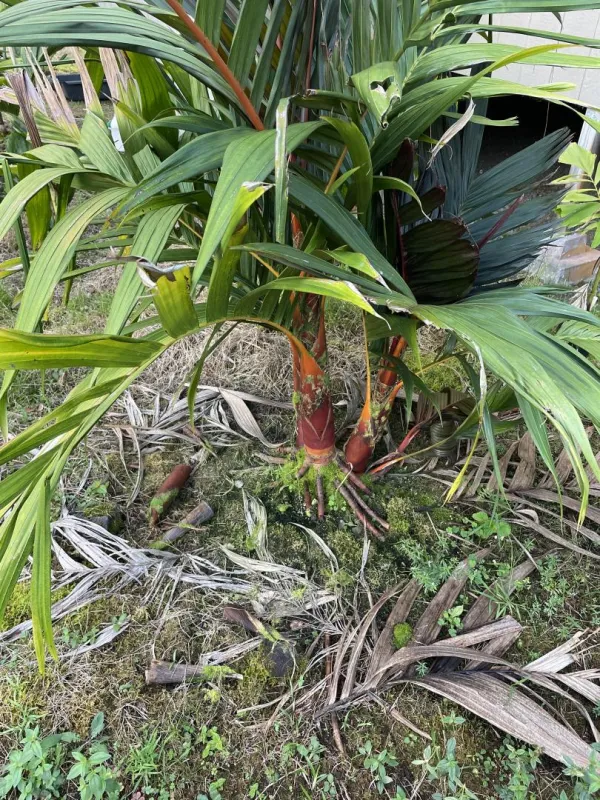
Description
Growing requirements
Pinanga patula is a distinct species within the Arecaceae family. Originating from the tropical rainforests of Southeast Asia, this palm has adapted to grow in shaded understory conditions, making it a popular choice for indoor plant enthusiasts.
To thrive, the plant requires a consistently warm climate. It is essential to protect the palm from sudden cold drafts and temperature drops, as it performs best when temperatures stay comfortably between 20°C and 27°C throughout the year.
Soil requirements for this species are specific: it needs a well-draining, nutrient-rich substrate. A mixture containing peat moss, perlite, and organic compost is usually recommended to ensure the roots receive adequate aeration while retaining necessary moisture.
Humidity is a critical factor for the health of Pinanga patula. As a tropical native, it prefers humidity levels above 60%. Regular misting or the use of a room humidifier is highly recommended to prevent leaf tip browning, which is common in dry indoor environments.
Light management involves providing bright, indirect light. While the plant can tolerate deep shade, it will grow significantly slower. Direct sunlight should be avoided at all costs, as the delicate fronds are highly susceptible to leaf scorch and dehydration.
Main diseases and pests
Spider mites are the most frequent pests affecting Pinanga patula, particularly in indoor environments with low airflow. These pests thrive in dry air, so maintaining consistent humidity is the primary method of prevention.
Root rot is a major threat caused by overwatering or poor drainage. Symptoms include blackened or mushy roots and yellowing fronds. If this occurs, it is vital to repot the plant into fresh, dry substrate and reduce the watering frequency significantly.