
Pseudophoenix
Pseudophoenix
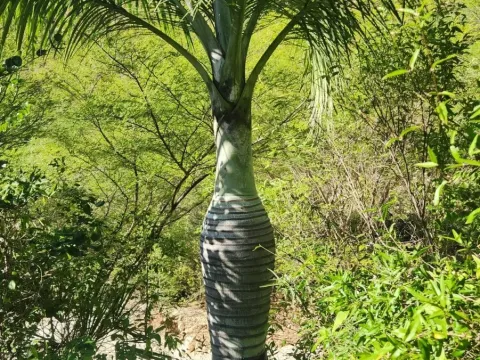
Pseudophoenix is a genus of palms belonging to the Arecaceae family. These plants are often referred to as cherry palms due to the bright red fruit they produce, which creates a striking contrast against their grey, ringed trunks.
What the section contains


Pseudophoenix
The genus originates from the Caribbean region and parts of Central America. They thrive in coastal environments where sandy, alkaline, and well-drained soils are prevalent, demonstrating a high tolerance for salinity and wind exposure.
Agrotechnical requirements for Pseudophoenix include full sun exposure to maintain a sturdy structure. In a managed horticultural setting, providing 6 to 8 hours of direct sunlight is essential for the healthy development of the fronds.
The soil must be exceptionally porous. Growers typically utilize a mixture of volcanic rock, coarse sand, and a minimal amount of organic matter to mimic the natural rocky habitats where these palms typically grow.
Watering schedules must be strictly monitored. While mature specimens can endure periods of drought, container-grown plants require consistent moisture during the growing season while ensuring that the root ball never remains submerged in water.
Fungal pathogens such as Phytophthora are the primary threat to the root system, especially in poorly ventilated environments. Excessive moisture around the base of the trunk creates an ideal condition for root rot development.
Pests like scales and mealybugs frequently colonize the underside of the leaves. Manual removal or the application of horticultural oils is recommended if an infestation is detected at an early stage of plant development.
Lethal yellowing and other phytoplasma diseases can pose significant risks in certain geographic areas. Monitoring for early signs of canopy decline is a standard practice in regions where these pathogens are endemic.
Nutrient deficiencies, specifically magnesium deficiency, can be identified by the yellowing of older leaf margins. Incorporating slow-release micronutrient fertilizers is a key step in preventing such physiological disorders.
Maintaining a clean cultivation area and removing dead foliage promptly helps to reduce the habitat for potential pests and prevents the spread of airborne spores that may cause leaf spot diseases.