
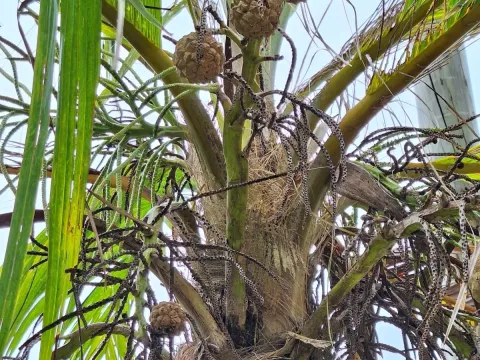
Pelagodoxa
Pelagodoxa
Pelagodoxa is a distinctive genus of palm trees within the Arecaceae family, characterized by its limited natural distribution in tropical Pacific regions, particularly the Marquesas Islands.
What the section contains


Pelagodoxa
This crop thrives in a humid tropical climate where temperatures remain consistent throughout the year, necessitating protection from extreme heat and desiccating winds.
Agronomic requirements include highly organic, well-drained, and moisture-retentive soils that mimic the nutrient-rich forest floor environments of their native range.
Botanically, the plant is recognized for its unique, wide, and undivided or slightly pinnate leaves, which distinguish it from many other tropical palm varieties.
In terms of economic usage, Pelagodoxa is primarily managed for its high ornamental and scientific value, often being curated in specialized botanical gardens and conservatory collections.
The primary threats to Pelagodoxa health are soil-borne fungal pathogens that proliferate under waterlogged conditions or poor drainage in artificial environments.
Pest management is critical, with palm weevils and scale insects representing the most significant threats to the structural integrity of the palm's trunk and foliage.
Effective prevention involves rigorous sanitation protocols, including the sterilization of potting equipment and monitoring for the early stages of insect infestation.
Nutritional deficiencies, specifically those related to micronutrient uptake in improper pH ranges, can lead to foliage chlorosis, which stunts the plant's overall growth.
Maintaining proper air circulation is essential to prevent the accumulation of moisture in the leaf bases, which is a common gateway for bacterial rot and opportunistic pests.