
Pinanga paradoxa
Pinanga paradoxa
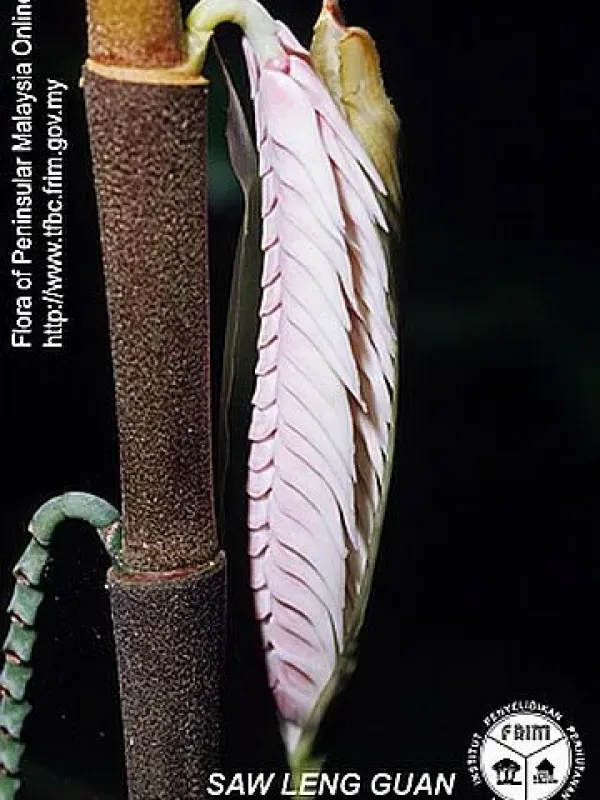
Description
Growing requirements
Pinanga paradoxa is a tropical perennial plant belonging to the Arecaceae family, originating from the dense rainforests of Southeast Asia. This species is highly valued for its elegant, pinnate foliage and its role in tropical horticultural aesthetics.
Cultivation of this palm requires a stable, warm environment with high humidity levels, mimicking its native habitat. It thrives in diffused light or partial shade conditions, as intense direct sunlight can easily scorch the leaves and stunt its growth.
The ideal growing medium must be well-draining, rich in organic matter, and slightly acidic to neutral in pH. A loose soil structure is vital for preventing root hypoxia, as the root system is sensitive to waterlogging and soil compaction.
Temperature management is critical for the survival of Pinanga paradoxa. It does not tolerate frost or cold drafts, requiring ambient temperatures typically between 20 and 26 degrees Celsius to maintain active and healthy growth patterns.
While primarily an ornamental plant, it holds significant value in specialized botanical collections and professional greenhouse environments. Its slow-growing nature makes it an excellent candidate for controlled indoor landscapes and conservatory settings.
Main diseases and pests
Spider mites are the most common pest, especially in indoor conditions where air humidity may fluctuate. Regular misting and leaf cleaning are essential preventive measures to maintain plant vigor.
Root rot remains a major threat caused by overwatering or poor drainage. Using high-quality potting mixes with perlite or pumice helps ensure proper aeration and moisture balance around the roots.
Fungal leaf spot diseases can occur if the foliage remains wet for extended periods in low-airflow environments. Ensuring adequate air circulation around the plant is an effective strategy for management.
Nutrient deficiencies, particularly magnesium or iron, may present as chlorosis on the leaves. Balanced fertilization with palm-specific formulas is recommended during the growing season to ensure healthy color.
Regular monitoring for pests and diseases is necessary to ensure the long-term health of the palm. Early detection of symptoms often allows for successful treatment with minimal plant stress.