
Pinanga limosa
Pinanga limosa
Description
Growing requirements
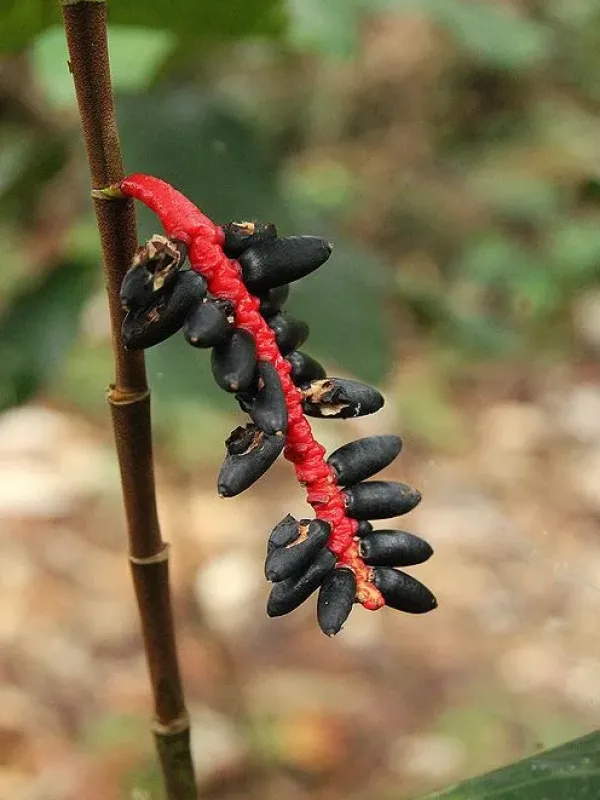
Pinanga limosa is an elegant species belonging to the Arecaceae family. Originating from the dense, humid rainforests of Southeast Asia, this plant naturally thrives as an understory species, adapted to low-light conditions and high humidity.
Botanically, it is characterized by its slender, often clustering stems and delicate pinnate leaves. Its small stature and graceful appearance make it a highly desirable specimen for botanical conservatories and specialized plant collections.
Environmental requirements for Pinanga limosa revolve around stability. It demands consistent warm temperatures, ideally between 22 and 28 degrees Celsius, and must be protected from drafts, which can cause significant physiological stress to the foliage.
Soil composition must prioritize aeration and drainage. A mix comprising peat moss, shredded bark, perlite, and a small amount of organic compost provides the ideal balance, allowing roots to breathe while maintaining necessary moisture levels.
Humidity is the most critical factor for successful cultivation. To replicate its native rainforest climate, maintaining humidity above 70% is essential. If the environment is too dry, leaf tips may brown, leading to a decline in aesthetic health.
Main diseases and pests
Common pests associated with Pinanga limosa include spider mites, mealybugs, and scale insects. These organisms often exploit the plant when it is stressed by improper environmental conditions, particularly low humidity and stagnant air.
Root rot remains the primary threat to this species, usually caused by overwatering or the use of heavy, water-retentive soils that lack proper drainage. This condition is often irreversible if not detected during the early stages of infection.
Effective management involves regular inspection of the fronds and the use of insecticidal soaps or horticultural oils for pest control. Maintaining optimal air circulation helps in mitigating the buildup of pest populations.
Sanitation practices, such as removing dead or dying foliage, are vital to prevent the spread of fungal pathogens. Tools used for pruning should always be disinfected to avoid cross-contamination between different plants.
To ensure long-term plant health, preventive measures include applying systemic fungicides if fungal leaf spot appears and ensuring the potting medium remains loose and well-aerated throughout the growing season.