
Pinanga perakensis
Pinanga perakensis
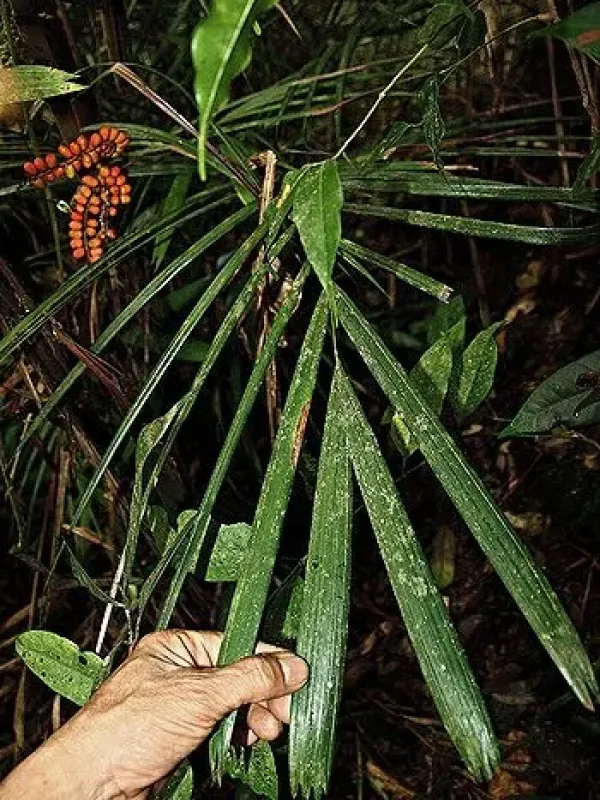
Description
Growing requirements
Pinanga perakensis is an elegant clustering palm species within the Arecaceae family. Native to the tropical rainforests of Perak, Malaysia, it naturally thrives in shaded forest understory environments, which dictates its preference for filtered light and stable tropical conditions.
For successful cultivation, this species requires a warm climate with temperatures consistently maintained between 22°C and 28°C. It is highly sensitive to cold stress and must be protected from any temperatures below 15°C to avoid physiological damage and necrosis of the fronds.
The ideal growing medium for this palm is a porous, moisture-retentive, yet fast-draining substrate. A mix consisting of high-quality peat moss, perlite, and decomposed bark provides the necessary aeration and organic content required for healthy root system development.
Irrigation practices for Pinanga perakensis should focus on keeping the soil uniformly moist without ever becoming waterlogged. During the active growing season, consistent water application is critical to sustain the lush foliage and prevent tip burn.
Humidity management is essential, as this plant originates from high-humidity rainforest zones. To replicate these conditions, growers often utilize room humidifiers or regular misting, ensuring that the ambient humidity remains above 60% for optimal growth performance.
Main diseases and pests
Common pests affecting this palm include spider mites and mealybugs, which thrive in low-humidity environments. Regular inspection and mechanical cleaning of the foliage are recommended as the primary line of defense before resorting to biological control agents.
Root rot, primarily caused by Phytophthora or Pythium species, remains the most significant threat to the plant's health. This condition is almost exclusively linked to overwatering and the use of poorly draining soil, which restricts oxygen to the roots.
Leaf spot diseases can manifest when air circulation is inadequate, leading to stagnant moisture on the leaves. Providing light ventilation and avoiding overhead watering can significantly reduce the incidence of these fungal infections.
Nutrient deficiencies, specifically nitrogen and magnesium, may cause chlorosis in older fronds. Implementing a structured fertilization program using balanced, slow-release palm fertilizers ensures the plant receives the micro-nutrients required for chlorophyll production.
Stunted growth is frequently a sign of inadequate lighting or pot-bound conditions. Periodically repotting the palm and adjusting the light exposure to brighter, indirect light levels can often revitalize a struggling specimen and promote new shoot formation.