
Pinanga coronata
Pinanga coronata
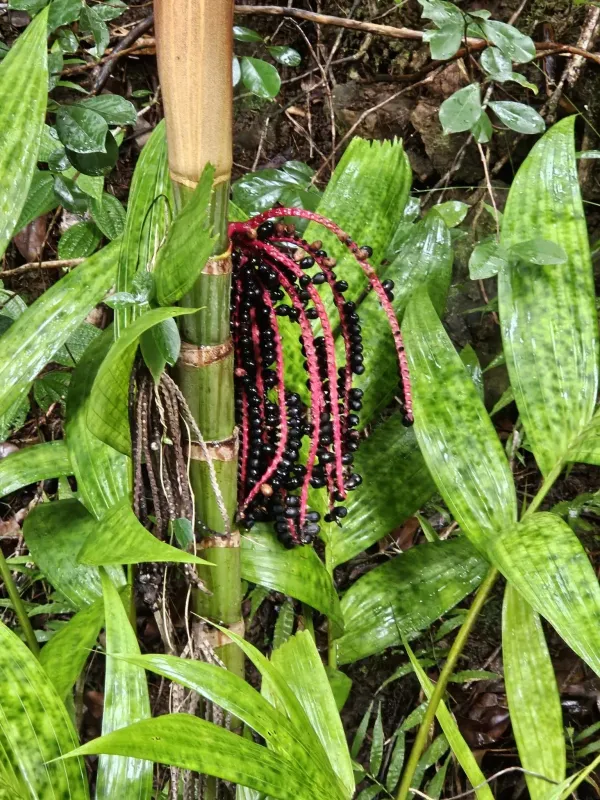
Description
Growing requirements
Pinanga coronata is an elegant, clustering palm species belonging to the Arecaceae family. Native to the humid rainforests of Southeast Asia, specifically Indonesia and Malaysia, this plant thrives in shaded understory environments where humidity levels remain consistently high.
For optimal growth, this species requires a stable, warm climate with temperatures typically ranging between 20°C and 28°C. It is intolerant of frost and cold drafts, making it suitable for indoor cultivation in temperate regions or for greenhouse production in tropical areas.
The ideal soil for this palm is a well-draining, nutrient-rich potting mix that retains moisture without becoming waterlogged. A mixture containing peat moss, pine bark, and perlite provides the necessary structure and slightly acidic pH preferred by this palm species.
In terms of light, Pinanga coronata performs best in filtered or indirect light. While it is highly shade-tolerant compared to many other palms, it needs sufficient ambient light to maintain its lush green foliage and prevent the stems from becoming thin and leggy.
Maintenance should include regular irrigation to keep the root ball evenly moist, coupled with periodic fertilization during the growing season. Nitrogen-rich liquid fertilizers applied once a month help support the development of its distinctive pinnate fronds.
Main diseases and pests
Common pests that may affect this palm include spider mites and mealybugs, which often appear when ambient humidity levels are too low. Frequent misting and wiping the foliage clean help prevent infestations and maintain plant vigor.
Root rot is the most significant disease threat, typically caused by overwatering or poor drainage. To prevent this, ensure that the pot has adequate drainage holes and allow the top layer of the soil to dry out slightly before the next watering session.