
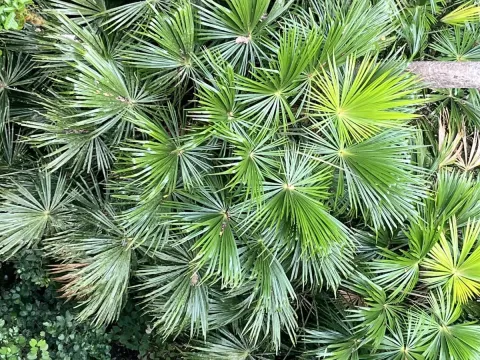
Pholidocarpus
Pholidocarpus
Pholidocarpus is a genus of large tropical palms belonging to the Arecaceae family. Native to the humid rainforests of Southeast Asia, these palms are distributed primarily across Thailand, Malaysia, and Indonesia.
What the section contains


Pholidocarpus
The culture requires a tropical climate with high ambient humidity and consistently warm temperatures. It is highly sensitive to cold and does not tolerate any form of frost, limiting its successful cultivation to tropical latitudes.
Ideal soil conditions for Pholidocarpus involve well-draining, nutrient-rich substrates. The palm thrives in areas with high rainfall, but it is essential to ensure that water does not pool around the base, as this can trigger root rot.
Botanically, the plant is characterized by its robust, tall stem and massive fan-shaped leaves. In its natural habitat, these palms serve as a critical component of the forest canopy, providing structural diversity to the ecosystem.
Agronomic management includes careful site selection, ensuring young plants are sheltered from intense direct sun and strong winds. Regular applications of organic mulch help maintain soil moisture and provide essential nutrients for sustained growth.
The primary agricultural use of Pholidocarpus involves the harvest of its large leaves. These are traditionally used in rural construction as a durable, insulating material for roofing, valued for its resistance to heavy tropical rains.
Fibrous tissues extracted from the leaves and stalks are processed to manufacture artisanal goods, including baskets, floor mats, and sturdy ropes. This supports local cottage industries and emphasizes the palm's role in sustainable livelihoods.
Fruit harvesting is less commercialized but remains a part of local subsistence practices. Due to the significant height of mature trees, harvesting requires specialized climbing techniques and strict adherence to safety protocols.
Pholidocarpus is also highly prized in the landscape industry. Its striking foliage makes it a preferred choice for large-scale landscaping projects, public gardens, and resorts located within its natural climatic range.
Sustainable harvesting practices are crucial to maintaining the health of the population. By implementing rotational cutting of leaves, farmers ensure that the tree continues to grow while providing a steady supply of renewable natural resources.