
Phoenix acaulis
Phoenix acaulis
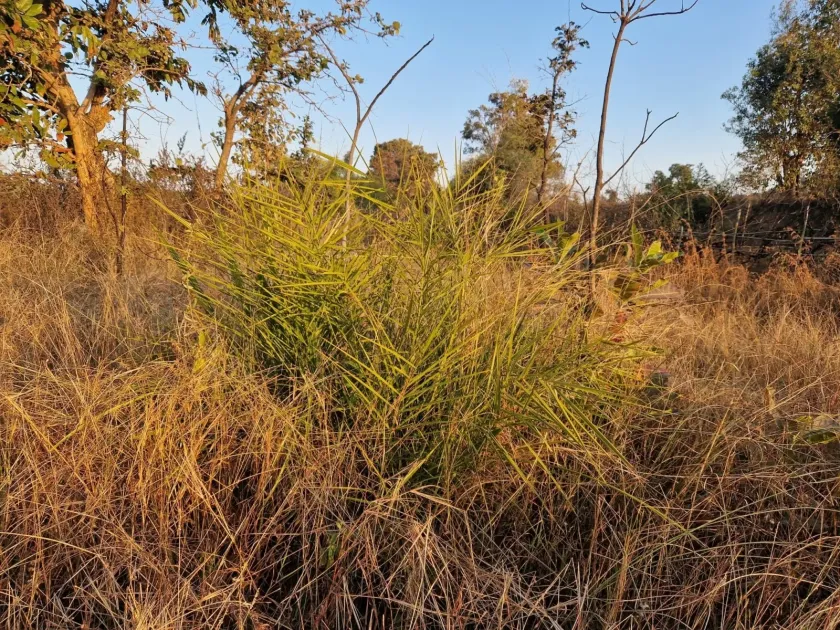
Description
Growing requirements
Phoenix acaulis, commonly known as the stemless date palm, belongs to the Arecaceae family. It is a distinctive species characterized by a subterranean or extremely reduced stem, with leaves emerging directly from the soil surface in a rosette pattern.
The plant is native to the northern and central regions of India, often found in sub-Himalayan tracts. Its natural habitat is characterized by well-drained, sandy or rocky soils and a climate that undergoes distinct wet and dry seasons.
Cultivation requires environments that mimic its tropical origin, specifically regarding light exposure and thermal conditions. It thrives in well-lit areas but requires protection from direct, scorching noon sun during the juvenile stages.
Regarding soil requirements, this palm demands a porous substrate that prevents water stagnation. A mix of loam, grit, and organic matter is recommended to ensure that oxygen reaches the roots effectively while maintaining necessary humidity.
Agrotechnical management involves strict adherence to watering cycles. During the growing season, consistent moisture is vital; however, irrigation must be significantly curtailed in the cooler months to prevent physiological stress or root rot.
Main diseases and pests
Fungal infections, particularly root rot, represent the most significant threat to Phoenix acaulis if soil drainage is compromised.
Insect pests such as mealybugs and spider mites frequently target the foliage, especially in indoor conditions where airflow is insufficient.
Leaf spot diseases may occur if the ambient humidity is high without corresponding ventilation, leading to fungal colonization.
Preventive measures include maintaining proper sanitary conditions in the growing area and avoiding overhead irrigation that leaves water sitting in the leaf crown.
Regular inspection is essential for early detection, as the slow growth rate of this species makes it vulnerable to significant damage from persistent pest infestations.