
Pritchardia
Pritchardia
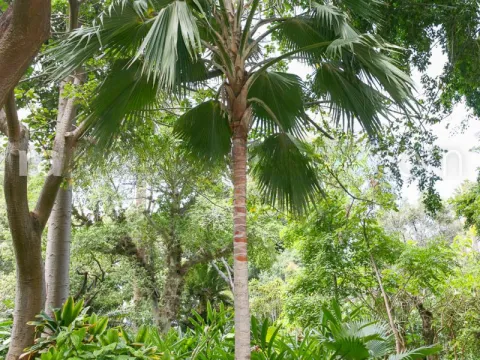
Pritchardia is a genus of majestic fan palms belonging to the Arecaceae family. Originating from the tropical regions of the Pacific Ocean, primarily the Hawaiian Islands, these plants thrive in high-humidity environments and consistent tropical temperatures.
What the section contains


Pritchardia
Successful cultivation requires a tropical climate with temperatures typically ranging between 20°C and 28°C. The plant is highly sensitive to frost; therefore, commercial or ornamental production in cooler regions must be conducted within greenhouses or climate-controlled environments.
The substrate must be fertile, porous, and well-drained to ensure healthy root development. It is crucial to maintain steady soil moisture while avoiding waterlogging, as the root systems of Pritchardia species are highly susceptible to rot under anaerobic conditions.
Lighting requirements are specific: these palms favor bright, indirect sunlight. Exposure to harsh, direct midday sun can result in leaf scorching, while insufficient light leads to slow growth and reduced vigor, impacting the overall quality of the specimen.
The economic value of Pritchardia is primarily centered on ornamental horticulture. These palms are highly sought after for interior landscaping, botanical gardens, and tropical resort design, where their unique fan-shaped foliage adds significant aesthetic value.
Spider mites and mealybugs are the most frequent pests affecting Pritchardia, particularly in environments with low air humidity. Regular maintenance, including misting and monitoring the undersides of leaves, is vital to prevent infestations.
Root rot, often caused by pathogenic fungi such as Phytophthora, is a significant threat associated with poor drainage and overwatering. Preventive measures include using high-quality potting mixes and ensuring proper container ventilation.
Scale insects can also infest the stems and leaves, extracting nutrients and weakening the palm. Control strategies often involve systemic insecticides and the physical removal of visible insects to maintain plant vitality.
Leaf spot disease is common when plants are kept in stagnant, poorly ventilated conditions with high humidity levels. Improving airflow and applying targeted fungicides are recommended to manage and mitigate the spread of these pathogens.
Integrated pest management (IPM) is highly recommended for Pritchardia to balance chemical control with biological measures. Proper sanitation practices, such as removing dead fronds, significantly reduce the habitat available for pests and disease development.